Buy europesname.eu ?
We are moving the project
europesname.eu .
Are you interested in purchasing the domain
europesname.eu ?
domain@kv-gmbh.de · 0541-91531010
Buy europesname.eu ?
Can you help me with the history of June 17, 1953?
Certainly! June 17, 1953, marks the date of the East German uprising, also known as the Uprising of 1953 or the June 17 Uprising. It was a major uprising against the East German government and the Soviet Union's policies. The protests began as a strike by East Berlin construction workers but quickly escalated into widespread demonstrations and strikes across East Germany. The Soviet Union eventually suppressed the uprising with military force, but it had a significant impact on East German society and politics. **
What happened on June 17, 1953?
On June 17, 1953, a major uprising occurred in East Germany, particularly in the capital city of East Berlin. The uprising was a result of widespread dissatisfaction with the government's policies and living conditions. Protesters took to the streets, demanding political reforms, the resignation of the government, and free elections. The Soviet Union, which controlled East Germany at the time, responded by sending in tanks and troops to suppress the uprising, resulting in a violent crackdown and the loss of many lives. **


Similar search terms for 1953
Top-Angebote
Products related to 1953:
-
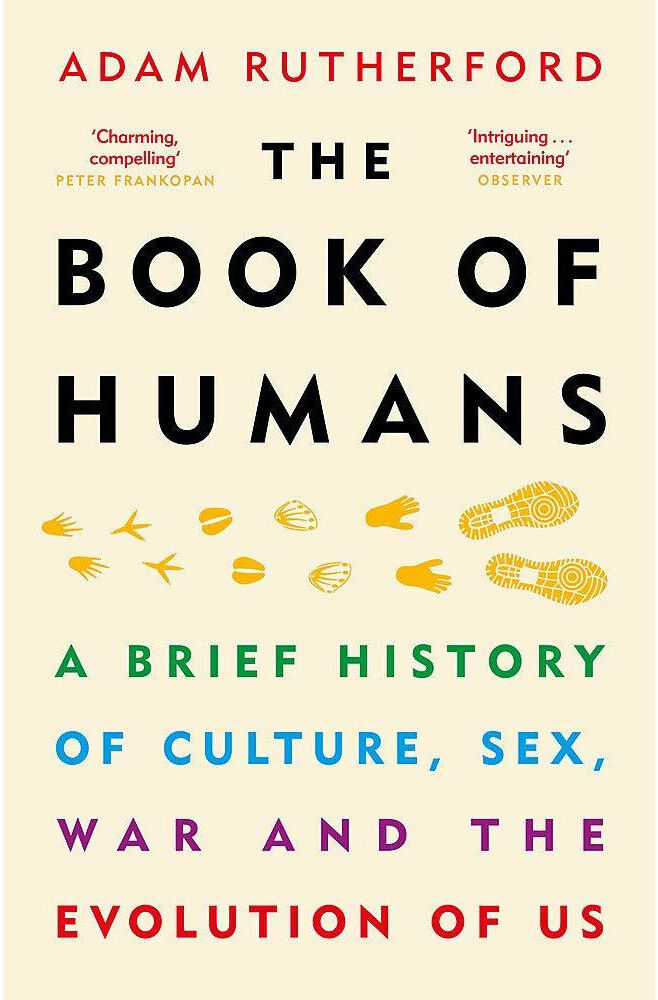
Orion The Book of Humans by Adam Rutherford – A Brief History of Culture, Sex, War & EvolutionWHAT MAKES US HUMAN? Waging war? Sex for pleasure? Creating art? Mastery of fire? In this thrilling tour of the animal kingdom, Adam Rutherford tells the story of how we became the unique creatures we are today. Illuminated by the latest scientific discoveries, THE BOOK OF HUMANS is a dazzling compendium of what unequivocally fixes us as animals, and reveals how we are extraordinary among them.4,98 £*Shipping: 1,99 £Secure redirect to the provider
-
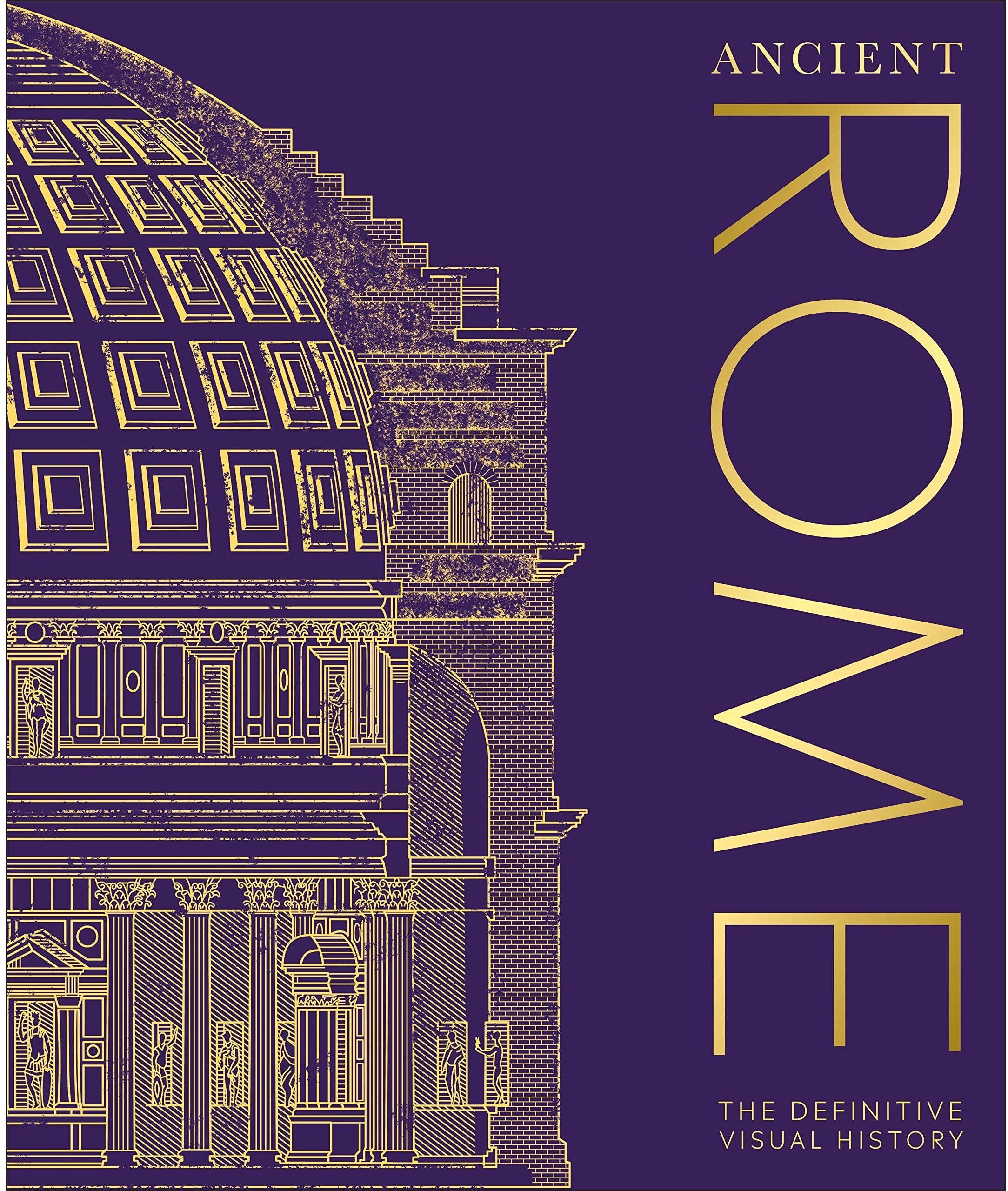
Ancient Rome: The Definitive Visual History (DK Classic History)Immerse yourself in the history of ancient Rome - from its origins as a small settlement on the Palatine Hill to its peak as an empire reigning over 90 million people, and its tumultuous decline. Covering more than 1,000 years of history, and an empire that stretched from Scotland to Syria, Ancient Rome reveals in vivid detail all of the key political, cultural, and military events that shaped the Roman Empire and explores what it was like to live in a society that laid the foundations for many aspects of the modern world. Sumptuous photography and engaging text cover every facet of life in ancient Rome, from art, entertainment, and fashion to engineering, medicine, and war, while detailed maps trace the rise of the mighty Roman Empire. Step back in time in the pages of this history book to discover:- Themed spreads explore developments in areas such as sculpture, religion, warfare, and engineering. - Includes tales of the most dramatic events and battles in Roman history, as well as profiles of influential historical and cultural figures. - An optional 80pp reference section includes sections on rulers, gods and goddesses, and key sites. Featuring Rome's greatest emperors, from Augustus to Constantine, as well as profiles of generals, historians, and influential women, Ancient Rome also delves into the fascinating stories of gladiators, bakers, and enslaved people. The most iconic buildings of Rome are brought to life with specially commissioned CGI recreations, while the stories of ordinary citizens, soldiers, and persecuted groups from across the empire are told with the help of illustrations, artefacts, and eyewitness accounts. Beautifully illustrated and unparalleled in scope, Ancient Rome is the perfect book for anyone who is interested in this defining period of world history.19,95 £*Shipping: 2,99 £Secure redirect to the provider
-
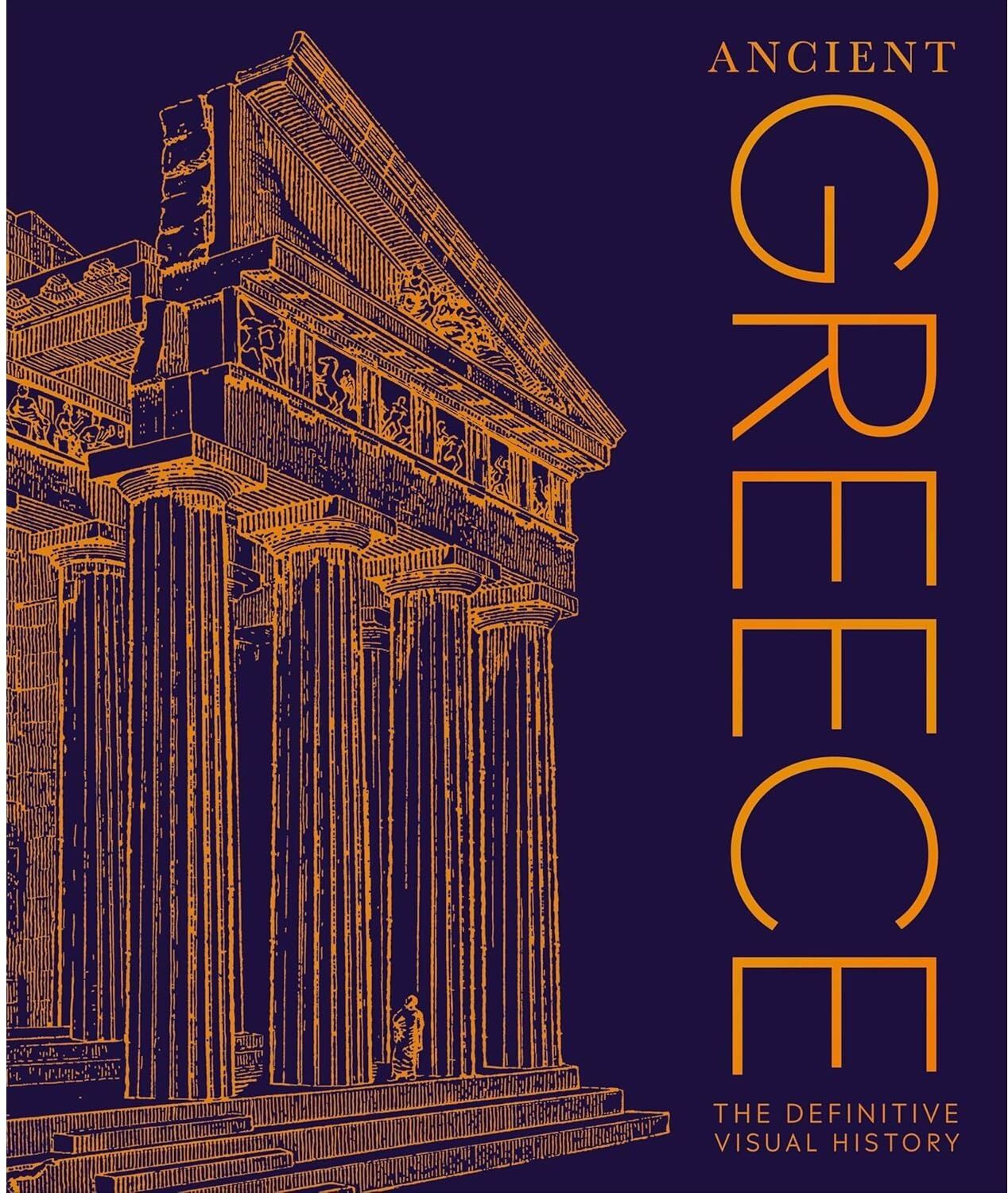
Ancient Greece: The Definitive Visual History (DK Classic History)Embark upon a fascinating journey through ancient Greece – from its rise and fall to its lasting legacy throughout the Western world. Spanning more than 3,000 years, Ancient Greece explores the tumultuous history of this glorious empire in vivid detail – from its Minoan and Mycenaean origins to the apogee of the warring city-states of Athens and Sparta, and from the death of its most charismatic leader, Alexander the Great, to its ultimate defeat by Rome. Sumptuous photography and authoritative, engaging text cover every facet of life in ancient Greece, from art, entertainment, and schools of thought to politics, medicine, and war, while the myths and religious beliefs of the ancient culture are explored and explained in depth. Greece’s military and political power shines through in fascinating maps of its legendary battles. Buried palaces and the Athenian Agora where Plato and Socrates discussed philosophy are brought back to life with stunning CGI artworks. And the stories of everyone from ordinary citizens to lawmakers and the first Olympic athletes are retold through eyewitness accounts and original artefacts.19,99 £*Shipping: 2,99 £Secure redirect to the provider
-
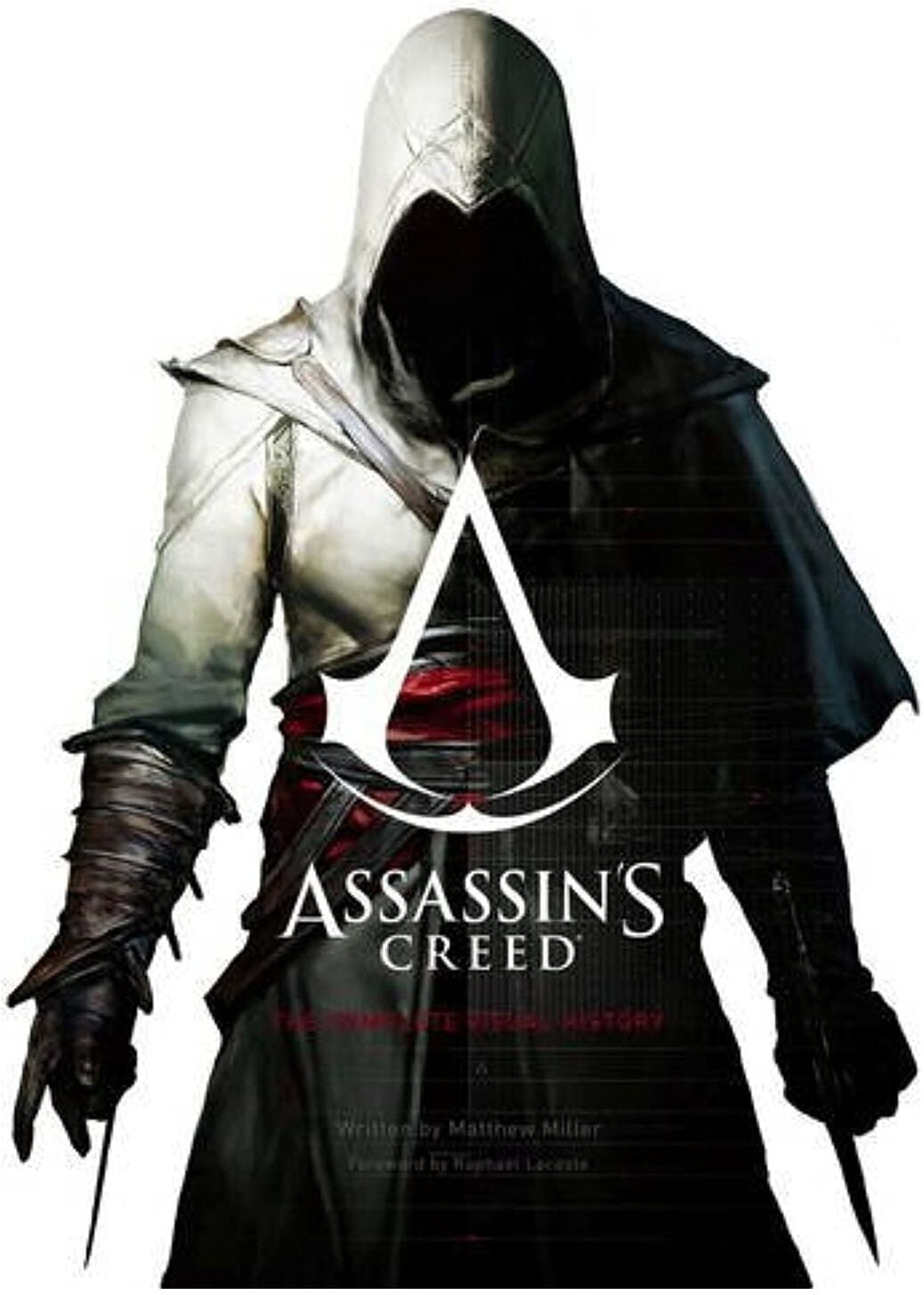
Titan Assassins Creed - The Complete Visual History: The Definitive Visual HistoryThis stunning book explores the rich mythology of Assassins Creed®, featuring the art and history of the series from the first groundbreaking game through the graphic novels to the DLCs. Highlighting the lush and vibrant art that has become a hallmark of the series, this luxury coffee-table book brings the games famous historical locations and figures to life and explores the evolution of each iconic Assassin and Templar.15,99 £*Shipping: 2,99 £Secure redirect to the provider
-
Were the speeches on June 17, 1953 hypocritical?
The speeches on June 17, 1953, were not necessarily hypocritical, as they were a response to the uprising of East German workers and were intended to address their grievances. However, the Soviet and East German leaders' promises of reform and concessions were not fully genuine, as they were ultimately aimed at quelling the uprising and maintaining their power. While the speeches may have contained some elements of sincerity, the actions of the authorities in the aftermath of the uprising demonstrated a lack of genuine commitment to addressing the workers' concerns. Therefore, while the speeches may not have been entirely hypocritical, they did not fully reflect the true intentions of the authorities. **
-
What happened at the Potsdam Conference in 1953?
There was no Potsdam Conference in 1953. The Potsdam Conference actually took place in 1945, shortly after the end of World War II. At the Potsdam Conference, the leaders of the United States, the Soviet Union, and the United Kingdom met to discuss the post-war reorganization of Europe and the administration of Germany. The conference resulted in the Potsdam Agreement, which outlined the terms for the occupation and reconstruction of Germany and the punishment of war criminals. **
-
Are these coins worth anything? A Peseta from 1953?
Yes, a Peseta from 1953 could potentially be worth something to collectors. The value of the coin would depend on its condition, rarity, and demand among collectors. It is recommended to consult with a coin expert or appraiser to determine the specific value of the coin. **
-
Can someone help me with this cartoon from 1953?
Of course! I'd be happy to help you with the cartoon from 1953. Please provide me with more details about the cartoon, such as the title, characters, or any specific scenes you'd like to discuss. Once I have more information, I can assist you in understanding the cartoon and its context. **


What were the consequences of the uprising on June 17, 1953?
The consequences of the uprising on June 17, 1953 in East Germany were significant. The Soviet Union sent in tanks to suppress the rebellion, resulting in the deaths of hundreds of protesters and the arrest of thousands. The uprising exposed the discontent and dissatisfaction of the East German population with the communist regime, leading to some reforms in the government's policies. It also highlighted the limitations of Soviet control in the Eastern Bloc and served as a warning to other communist governments about the potential for popular uprisings. **
What is the poster analysis of the Cold War in 1953?
The poster analysis of the Cold War in 1953 would likely focus on the themes of tension, division, and the nuclear arms race between the United States and the Soviet Union. Posters from this time may depict propaganda from both sides, highlighting the ideological differences and military threats each side perceived from the other. The imagery may include symbols of power, such as missiles or military personnel, as well as messages promoting patriotism and vigilance against the enemy. Overall, the analysis would reveal the intense propaganda war that characterized the Cold War era and the efforts to shape public opinion in support of each side's agenda. **
Top-Angebote
Products related to 1953:
-
HJS 83 11 1953 Exhaust hangerMaterial: EPDM (ethylene propylene diene Monomer (M-class) rubber); EU General Product Safety Regulation (GPSR): IEC 60417-6183 mechanical expertise required; Fitting Position: Left Front, Right, Left; Exhaust System: for soot particulate filter, for catalytic converter, for centre muffler, for Exhaust Pipe; Vehicle Equipment: for vehicles without diesel particulate filter (DPF); Required quantity: 2, 1; TecDoc Engine Number: 20865, 297456,29 £*Shipping: 8,45 £Secure redirect to the provider
-
From the Archives: Black History and Culture Value PackThis brand-new series is rooted in a profound commitment to shedding light on some of the important -- and often lesser-known -- aspects of Black history. From the Archives features landmarks, events, people, and artistic endeavors that have played...26,99 $*Shipping: 0,00 $Secure redirect to the provider
-
Orion The Book of Humans by Adam Rutherford – A Brief History of Culture, Sex, War & EvolutionWHAT MAKES US HUMAN? Waging war? Sex for pleasure? Creating art? Mastery of fire? In this thrilling tour of the animal kingdom, Adam Rutherford tells the story of how we became the unique creatures we are today. Illuminated by the latest scientific discoveries, THE BOOK OF HUMANS is a dazzling compendium of what unequivocally fixes us as animals, and reveals how we are extraordinary among them.4,98 £*Shipping: 1,99 £Secure redirect to the provider
-
Ancient Rome: The Definitive Visual History (DK Classic History)Immerse yourself in the history of ancient Rome - from its origins as a small settlement on the Palatine Hill to its peak as an empire reigning over 90 million people, and its tumultuous decline. Covering more than 1,000 years of history, and an empire that stretched from Scotland to Syria, Ancient Rome reveals in vivid detail all of the key political, cultural, and military events that shaped the Roman Empire and explores what it was like to live in a society that laid the foundations for many aspects of the modern world. Sumptuous photography and engaging text cover every facet of life in ancient Rome, from art, entertainment, and fashion to engineering, medicine, and war, while detailed maps trace the rise of the mighty Roman Empire. Step back in time in the pages of this history book to discover:- Themed spreads explore developments in areas such as sculpture, religion, warfare, and engineering. - Includes tales of the most dramatic events and battles in Roman history, as well as profiles of influential historical and cultural figures. - An optional 80pp reference section includes sections on rulers, gods and goddesses, and key sites. Featuring Rome's greatest emperors, from Augustus to Constantine, as well as profiles of generals, historians, and influential women, Ancient Rome also delves into the fascinating stories of gladiators, bakers, and enslaved people. The most iconic buildings of Rome are brought to life with specially commissioned CGI recreations, while the stories of ordinary citizens, soldiers, and persecuted groups from across the empire are told with the help of illustrations, artefacts, and eyewitness accounts. Beautifully illustrated and unparalleled in scope, Ancient Rome is the perfect book for anyone who is interested in this defining period of world history.19,95 £*Shipping: 2,99 £Secure redirect to the provider
-
Can you help me with the history of June 17, 1953?
Certainly! June 17, 1953, marks the date of the East German uprising, also known as the Uprising of 1953 or the June 17 Uprising. It was a major uprising against the East German government and the Soviet Union's policies. The protests began as a strike by East Berlin construction workers but quickly escalated into widespread demonstrations and strikes across East Germany. The Soviet Union eventually suppressed the uprising with military force, but it had a significant impact on East German society and politics. **
-
What happened on June 17, 1953?
On June 17, 1953, a major uprising occurred in East Germany, particularly in the capital city of East Berlin. The uprising was a result of widespread dissatisfaction with the government's policies and living conditions. Protesters took to the streets, demanding political reforms, the resignation of the government, and free elections. The Soviet Union, which controlled East Germany at the time, responded by sending in tanks and troops to suppress the uprising, resulting in a violent crackdown and the loss of many lives. **
-
Were the speeches on June 17, 1953 hypocritical?
The speeches on June 17, 1953, were not necessarily hypocritical, as they were a response to the uprising of East German workers and were intended to address their grievances. However, the Soviet and East German leaders' promises of reform and concessions were not fully genuine, as they were ultimately aimed at quelling the uprising and maintaining their power. While the speeches may have contained some elements of sincerity, the actions of the authorities in the aftermath of the uprising demonstrated a lack of genuine commitment to addressing the workers' concerns. Therefore, while the speeches may not have been entirely hypocritical, they did not fully reflect the true intentions of the authorities. **
-
What happened at the Potsdam Conference in 1953?
There was no Potsdam Conference in 1953. The Potsdam Conference actually took place in 1945, shortly after the end of World War II. At the Potsdam Conference, the leaders of the United States, the Soviet Union, and the United Kingdom met to discuss the post-war reorganization of Europe and the administration of Germany. The conference resulted in the Potsdam Agreement, which outlined the terms for the occupation and reconstruction of Germany and the punishment of war criminals. **
Similar search terms for 1953
-
Ancient Greece: The Definitive Visual History (DK Classic History)Embark upon a fascinating journey through ancient Greece – from its rise and fall to its lasting legacy throughout the Western world. Spanning more than 3,000 years, Ancient Greece explores the tumultuous history of this glorious empire in vivid detail – from its Minoan and Mycenaean origins to the apogee of the warring city-states of Athens and Sparta, and from the death of its most charismatic leader, Alexander the Great, to its ultimate defeat by Rome. Sumptuous photography and authoritative, engaging text cover every facet of life in ancient Greece, from art, entertainment, and schools of thought to politics, medicine, and war, while the myths and religious beliefs of the ancient culture are explored and explained in depth. Greece’s military and political power shines through in fascinating maps of its legendary battles. Buried palaces and the Athenian Agora where Plato and Socrates discussed philosophy are brought back to life with stunning CGI artworks. And the stories of everyone from ordinary citizens to lawmakers and the first Olympic athletes are retold through eyewitness accounts and original artefacts.19,99 £*Shipping: 2,99 £Secure redirect to the provider
-
Titan Assassins Creed - The Complete Visual History: The Definitive Visual HistoryThis stunning book explores the rich mythology of Assassins Creed®, featuring the art and history of the series from the first groundbreaking game through the graphic novels to the DLCs. Highlighting the lush and vibrant art that has become a hallmark of the series, this luxury coffee-table book brings the games famous historical locations and figures to life and explores the evolution of each iconic Assassin and Templar.15,99 £*Shipping: 2,99 £Secure redirect to the provider
-
Uplifted Goods Optical Precision Pet Claw Architecture Optical Precision Pet Claw ArchitectureEnhance your pet grooming safety with the Optical Precision Pet Claw Architecture. This professional grade grooming solution is engineered with a specialized LED Illumination System designed to provide a definitive view of the delicate internal vein...39,97 $*Shipping: 0,00 $Secure redirect to the provider
-
Are these coins worth anything? A Peseta from 1953?
Yes, a Peseta from 1953 could potentially be worth something to collectors. The value of the coin would depend on its condition, rarity, and demand among collectors. It is recommended to consult with a coin expert or appraiser to determine the specific value of the coin. **
-
Can someone help me with this cartoon from 1953?
Of course! I'd be happy to help you with the cartoon from 1953. Please provide me with more details about the cartoon, such as the title, characters, or any specific scenes you'd like to discuss. Once I have more information, I can assist you in understanding the cartoon and its context. **
-
What were the consequences of the uprising on June 17, 1953?
The consequences of the uprising on June 17, 1953 in East Germany were significant. The Soviet Union sent in tanks to suppress the rebellion, resulting in the deaths of hundreds of protesters and the arrest of thousands. The uprising exposed the discontent and dissatisfaction of the East German population with the communist regime, leading to some reforms in the government's policies. It also highlighted the limitations of Soviet control in the Eastern Bloc and served as a warning to other communist governments about the potential for popular uprisings. **
-
What is the poster analysis of the Cold War in 1953?
The poster analysis of the Cold War in 1953 would likely focus on the themes of tension, division, and the nuclear arms race between the United States and the Soviet Union. Posters from this time may depict propaganda from both sides, highlighting the ideological differences and military threats each side perceived from the other. The imagery may include symbols of power, such as missiles or military personnel, as well as messages promoting patriotism and vigilance against the enemy. Overall, the analysis would reveal the intense propaganda war that characterized the Cold War era and the efforts to shape public opinion in support of each side's agenda. **
* All prices are inclusive of VAT and, if applicable, plus shipping costs. The offer information is based on the details provided by the respective shop and is updated through automated processes. Real-time updates do not occur, so deviations can occur in individual cases. ** Note: Parts of this content were created by AI.