Buy europesname.eu ?
We are moving the project
europesname.eu .
Are you interested in purchasing the domain
europesname.eu ?
domain@kv-gmbh.de · 0541-91531010
Buy europesname.eu ?
What are examples of natural landscapes and cultural landscapes?
Examples of natural landscapes include mountains, forests, deserts, beaches, and rivers. These landscapes are shaped by natural processes such as erosion, weathering, and tectonic activity. On the other hand, cultural landscapes are areas that have been influenced or shaped by human activity, such as cities, agricultural lands, parks, and historic sites. These landscapes reflect the interaction between humans and their environment over time. **
How can I motivate myself to learn natural sciences, history, and culture?
To motivate yourself to learn natural sciences, history, and culture, you can start by setting specific and achievable goals for each subject. Break down the topics into smaller, manageable chunks and reward yourself when you reach each milestone. Additionally, find ways to make the learning process enjoyable, such as watching documentaries, visiting museums, or participating in hands-on experiments. Surrounding yourself with like-minded individuals who share your interests can also provide motivation and support. Finally, remind yourself of the value of gaining knowledge in these areas and how it can contribute to your personal and intellectual growth. **


Similar search terms for Natural
Top-Angebote
Products related to Natural:
-
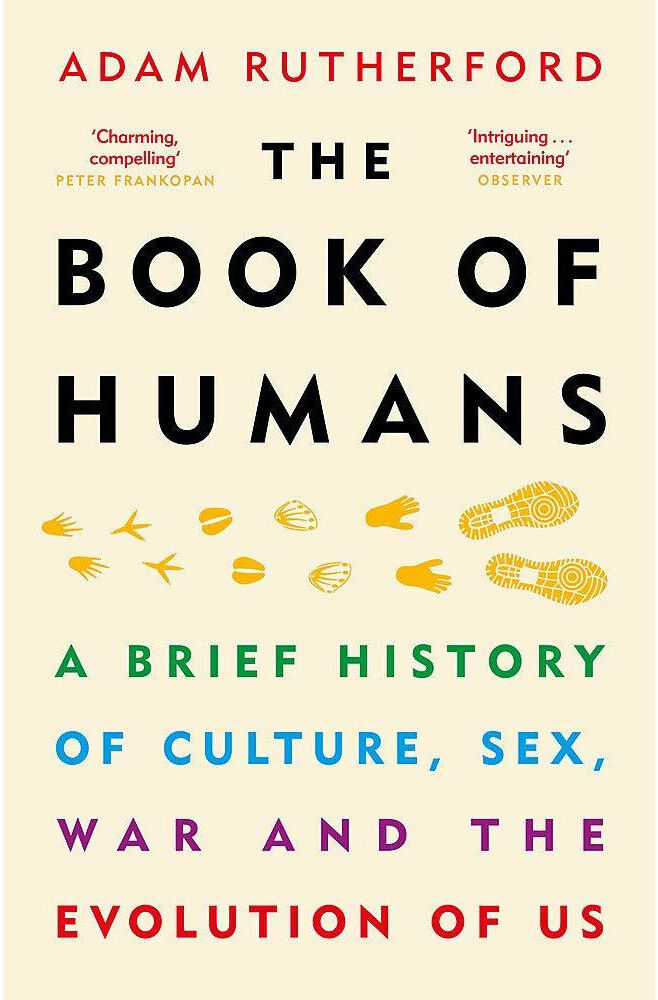
Orion The Book of Humans by Adam Rutherford – A Brief History of Culture, Sex, War & EvolutionWHAT MAKES US HUMAN? Waging war? Sex for pleasure? Creating art? Mastery of fire? In this thrilling tour of the animal kingdom, Adam Rutherford tells the story of how we became the unique creatures we are today. Illuminated by the latest scientific discoveries, THE BOOK OF HUMANS is a dazzling compendium of what unequivocally fixes us as animals, and reveals how we are extraordinary among them.4,98 £*Shipping: 1,99 £Secure redirect to the provider
-
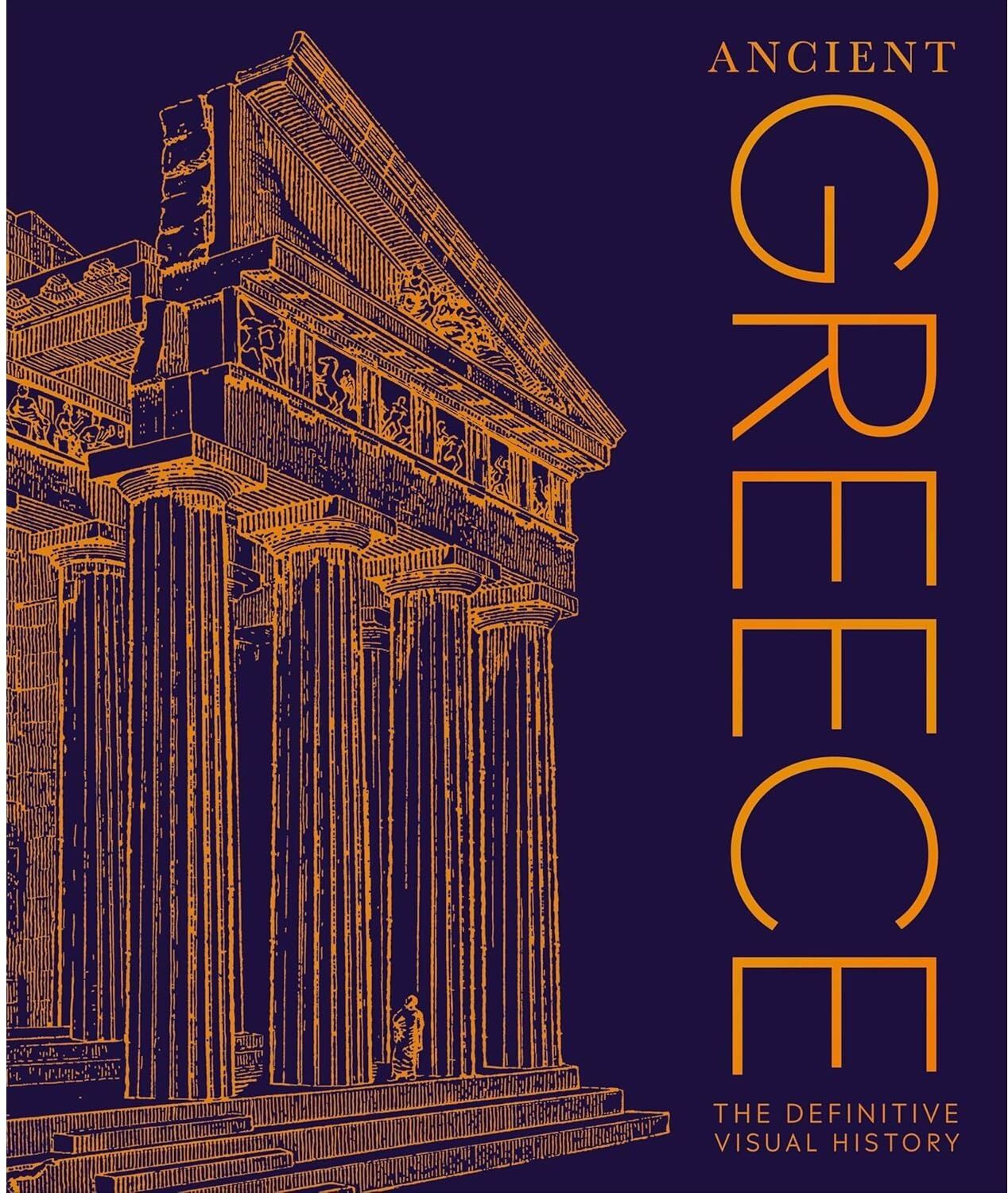
Ancient Greece: The Definitive Visual History (DK Classic History)Embark upon a fascinating journey through ancient Greece – from its rise and fall to its lasting legacy throughout the Western world. Spanning more than 3,000 years, Ancient Greece explores the tumultuous history of this glorious empire in vivid detail – from its Minoan and Mycenaean origins to the apogee of the warring city-states of Athens and Sparta, and from the death of its most charismatic leader, Alexander the Great, to its ultimate defeat by Rome. Sumptuous photography and authoritative, engaging text cover every facet of life in ancient Greece, from art, entertainment, and schools of thought to politics, medicine, and war, while the myths and religious beliefs of the ancient culture are explored and explained in depth. Greece’s military and political power shines through in fascinating maps of its legendary battles. Buried palaces and the Athenian Agora where Plato and Socrates discussed philosophy are brought back to life with stunning CGI artworks. And the stories of everyone from ordinary citizens to lawmakers and the first Olympic athletes are retold through eyewitness accounts and original artefacts.19,99 £*Shipping: 2,99 £Secure redirect to the provider


-
Why are there no more natural landscapes in Germany today?
There are no more natural landscapes in Germany today due to centuries of human activity such as agriculture, urbanization, and industrialization. These activities have led to deforestation, habitat destruction, and pollution, resulting in the loss of many natural landscapes. Additionally, the growing population and demand for resources have further accelerated the transformation of natural areas into developed land. Conservation efforts are being made to protect and restore some natural landscapes, but the impact of human activity on the environment remains a significant challenge in Germany. **
-
Why are there no natural landscapes left in Germany today?
There are still natural landscapes in Germany, but they have been significantly altered by human activity. The industrial revolution, urbanization, agriculture, and infrastructure development have all contributed to the transformation of natural landscapes. Additionally, Germany's dense population and high level of economic development have led to extensive land use for residential, commercial, and industrial purposes. Conservation efforts and environmental policies have helped to preserve some natural areas, but the impact of human activity on the landscape is still evident. **
-
What is the difference between natural, untouched, and cultural landscapes?
Natural landscapes refer to areas that have not been significantly altered by human activity, such as forests, mountains, and bodies of water. Untouched landscapes are similar to natural landscapes, but specifically refer to areas that have not been touched or disturbed by human activity at all. Cultural landscapes, on the other hand, are areas that have been shaped by human activity, such as agricultural land, urban areas, and historical sites. These landscapes often reflect the interaction between people and their environment over time. **
-
Is the study of architecture a natural science?
No, the study of architecture is not considered a natural science. Natural sciences typically focus on the physical and biological aspects of the natural world, such as physics, chemistry, and biology. Architecture, on the other hand, is a discipline that involves the design and construction of buildings and structures, which is more closely related to the fields of art and engineering. Architecture incorporates elements of both science and art, but it is not classified as a natural science. **

What are the natural landscapes in Schleswig-Holstein from west to east?
In Schleswig-Holstein, the natural landscapes from west to east include the North Sea coast with its sandy beaches, dunes, and mudflats. Moving inland, there are marshlands and wetlands, followed by the rolling hills and fertile farmland of the Schleswig-Holstein Uplands. Finally, in the eastern part of the region, there are the forests and lakes of the Holstein Switzerland area. Each of these landscapes offers unique natural beauty and opportunities for outdoor activities. **
Are nations a quasi-natural unit of European history?
Nations are not a quasi-natural unit of European history, as they are socially constructed entities that have evolved over time through various political, cultural, and historical processes. The concept of nations as we know them today is a relatively modern phenomenon, emerging in the 19th and 20th centuries with the rise of nationalism. European history is characterized by a complex interplay of various ethnic, linguistic, and cultural groups, and the boundaries of nations have often been contested and redrawn throughout history. Therefore, nations should be seen as a fluid and dynamic aspect of European history rather than a fixed or natural unit. **
Top-Angebote
Products related to Natural:
-
From the Archives: Black History and Culture Value PackThis brand-new series is rooted in a profound commitment to shedding light on some of the important -- and often lesser-known -- aspects of Black history. From the Archives features landmarks, events, people, and artistic endeavors that have played...26,99 $*Shipping: 0,00 $Secure redirect to the provider
-
Classic Cuisine Mango Wood Serving Bowl Natural"""Add natural warmth and functionality to your home with this solid mango wood serving bowl. The versatile design is ideal for serving salads, bread, snacks, or displaying fruit and decorative accents on tables, shelves, and countertops."29,99 $*Shipping: 0,00 $Secure redirect to the provider
-
What are examples of natural landscapes and cultural landscapes?
Examples of natural landscapes include mountains, forests, deserts, beaches, and rivers. These landscapes are shaped by natural processes such as erosion, weathering, and tectonic activity. On the other hand, cultural landscapes are areas that have been influenced or shaped by human activity, such as cities, agricultural lands, parks, and historic sites. These landscapes reflect the interaction between humans and their environment over time. **
-
How can I motivate myself to learn natural sciences, history, and culture?
To motivate yourself to learn natural sciences, history, and culture, you can start by setting specific and achievable goals for each subject. Break down the topics into smaller, manageable chunks and reward yourself when you reach each milestone. Additionally, find ways to make the learning process enjoyable, such as watching documentaries, visiting museums, or participating in hands-on experiments. Surrounding yourself with like-minded individuals who share your interests can also provide motivation and support. Finally, remind yourself of the value of gaining knowledge in these areas and how it can contribute to your personal and intellectual growth. **
-
Why are there no more natural landscapes in Germany today?
There are no more natural landscapes in Germany today due to centuries of human activity such as agriculture, urbanization, and industrialization. These activities have led to deforestation, habitat destruction, and pollution, resulting in the loss of many natural landscapes. Additionally, the growing population and demand for resources have further accelerated the transformation of natural areas into developed land. Conservation efforts are being made to protect and restore some natural landscapes, but the impact of human activity on the environment remains a significant challenge in Germany. **
-
Why are there no natural landscapes left in Germany today?
There are still natural landscapes in Germany, but they have been significantly altered by human activity. The industrial revolution, urbanization, agriculture, and infrastructure development have all contributed to the transformation of natural landscapes. Additionally, Germany's dense population and high level of economic development have led to extensive land use for residential, commercial, and industrial purposes. Conservation efforts and environmental policies have helped to preserve some natural areas, but the impact of human activity on the landscape is still evident. **
Similar search terms for Natural
-
Orion The Book of Humans by Adam Rutherford – A Brief History of Culture, Sex, War & EvolutionWHAT MAKES US HUMAN? Waging war? Sex for pleasure? Creating art? Mastery of fire? In this thrilling tour of the animal kingdom, Adam Rutherford tells the story of how we became the unique creatures we are today. Illuminated by the latest scientific discoveries, THE BOOK OF HUMANS is a dazzling compendium of what unequivocally fixes us as animals, and reveals how we are extraordinary among them.4,98 £*Shipping: 1,99 £Secure redirect to the provider
-
Ancient Greece: The Definitive Visual History (DK Classic History)Embark upon a fascinating journey through ancient Greece – from its rise and fall to its lasting legacy throughout the Western world. Spanning more than 3,000 years, Ancient Greece explores the tumultuous history of this glorious empire in vivid detail – from its Minoan and Mycenaean origins to the apogee of the warring city-states of Athens and Sparta, and from the death of its most charismatic leader, Alexander the Great, to its ultimate defeat by Rome. Sumptuous photography and authoritative, engaging text cover every facet of life in ancient Greece, from art, entertainment, and schools of thought to politics, medicine, and war, while the myths and religious beliefs of the ancient culture are explored and explained in depth. Greece’s military and political power shines through in fascinating maps of its legendary battles. Buried palaces and the Athenian Agora where Plato and Socrates discussed philosophy are brought back to life with stunning CGI artworks. And the stories of everyone from ordinary citizens to lawmakers and the first Olympic athletes are retold through eyewitness accounts and original artefacts.19,99 £*Shipping: 2,99 £Secure redirect to the provider
-
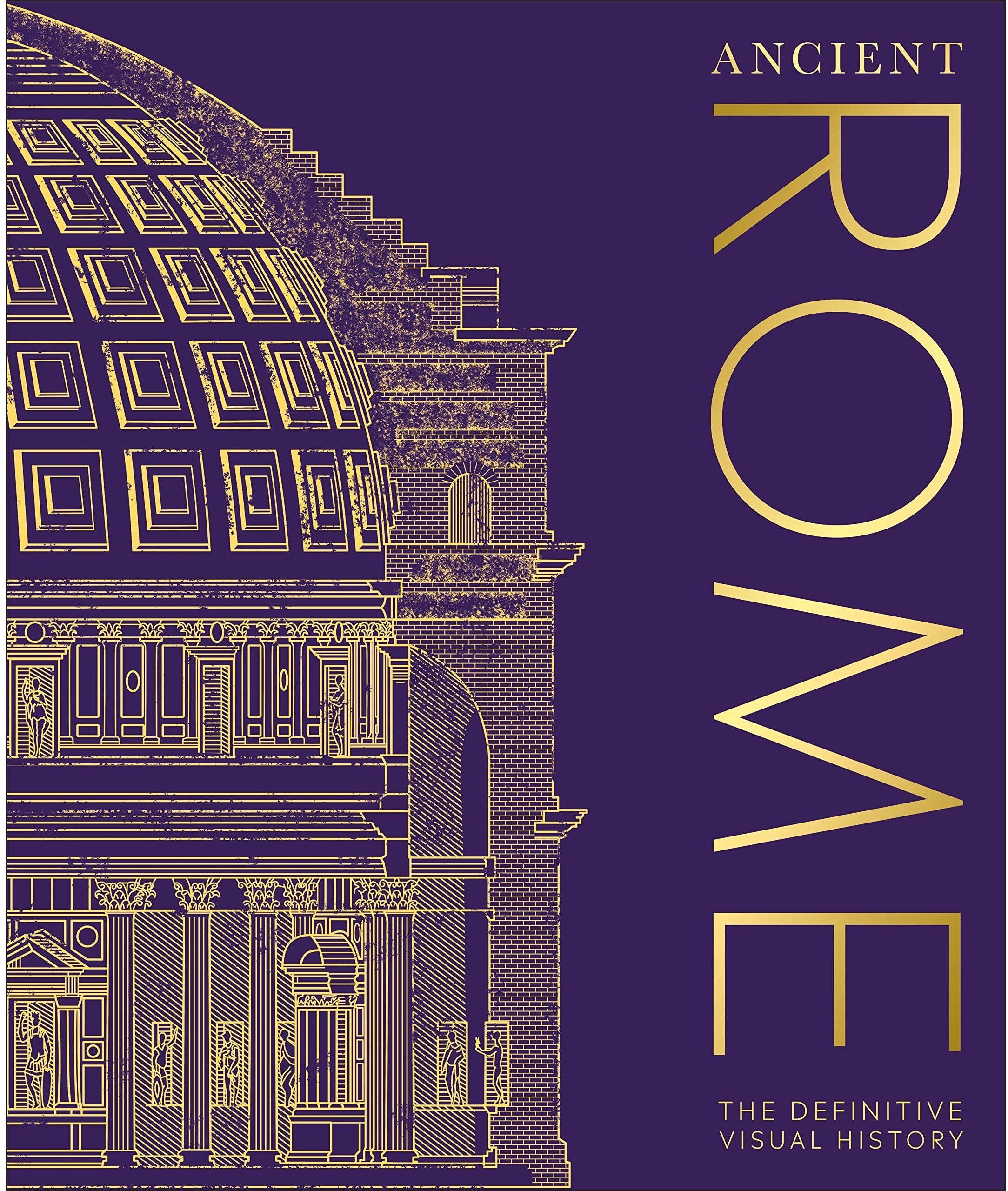
Ancient Rome: The Definitive Visual History (DK Classic History)Immerse yourself in the history of ancient Rome - from its origins as a small settlement on the Palatine Hill to its peak as an empire reigning over 90 million people, and its tumultuous decline. Covering more than 1,000 years of history, and an empire that stretched from Scotland to Syria, Ancient Rome reveals in vivid detail all of the key political, cultural, and military events that shaped the Roman Empire and explores what it was like to live in a society that laid the foundations for many aspects of the modern world. Sumptuous photography and engaging text cover every facet of life in ancient Rome, from art, entertainment, and fashion to engineering, medicine, and war, while detailed maps trace the rise of the mighty Roman Empire. Step back in time in the pages of this history book to discover:- Themed spreads explore developments in areas such as sculpture, religion, warfare, and engineering. - Includes tales of the most dramatic events and battles in Roman history, as well as profiles of influential historical and cultural figures. - An optional 80pp reference section includes sections on rulers, gods and goddesses, and key sites. Featuring Rome's greatest emperors, from Augustus to Constantine, as well as profiles of generals, historians, and influential women, Ancient Rome also delves into the fascinating stories of gladiators, bakers, and enslaved people. The most iconic buildings of Rome are brought to life with specially commissioned CGI recreations, while the stories of ordinary citizens, soldiers, and persecuted groups from across the empire are told with the help of illustrations, artefacts, and eyewitness accounts. Beautifully illustrated and unparalleled in scope, Ancient Rome is the perfect book for anyone who is interested in this defining period of world history.19,95 £*Shipping: 2,99 £Secure redirect to the provider
-
Titan Assassins Creed - The Complete Visual History: The Definitive Visual HistoryThis stunning book explores the rich mythology of Assassins Creed®, featuring the art and history of the series from the first groundbreaking game through the graphic novels to the DLCs. Highlighting the lush and vibrant art that has become a hallmark of the series, this luxury coffee-table book brings the games famous historical locations and figures to life and explores the evolution of each iconic Assassin and Templar.15,99 £*Shipping: 2,99 £Secure redirect to the provider
-
What is the difference between natural, untouched, and cultural landscapes?
Natural landscapes refer to areas that have not been significantly altered by human activity, such as forests, mountains, and bodies of water. Untouched landscapes are similar to natural landscapes, but specifically refer to areas that have not been touched or disturbed by human activity at all. Cultural landscapes, on the other hand, are areas that have been shaped by human activity, such as agricultural land, urban areas, and historical sites. These landscapes often reflect the interaction between people and their environment over time. **
-
Is the study of architecture a natural science?
No, the study of architecture is not considered a natural science. Natural sciences typically focus on the physical and biological aspects of the natural world, such as physics, chemistry, and biology. Architecture, on the other hand, is a discipline that involves the design and construction of buildings and structures, which is more closely related to the fields of art and engineering. Architecture incorporates elements of both science and art, but it is not classified as a natural science. **
-
What are the natural landscapes in Schleswig-Holstein from west to east?
In Schleswig-Holstein, the natural landscapes from west to east include the North Sea coast with its sandy beaches, dunes, and mudflats. Moving inland, there are marshlands and wetlands, followed by the rolling hills and fertile farmland of the Schleswig-Holstein Uplands. Finally, in the eastern part of the region, there are the forests and lakes of the Holstein Switzerland area. Each of these landscapes offers unique natural beauty and opportunities for outdoor activities. **
-
Are nations a quasi-natural unit of European history?
Nations are not a quasi-natural unit of European history, as they are socially constructed entities that have evolved over time through various political, cultural, and historical processes. The concept of nations as we know them today is a relatively modern phenomenon, emerging in the 19th and 20th centuries with the rise of nationalism. European history is characterized by a complex interplay of various ethnic, linguistic, and cultural groups, and the boundaries of nations have often been contested and redrawn throughout history. Therefore, nations should be seen as a fluid and dynamic aspect of European history rather than a fixed or natural unit. **
* All prices are inclusive of VAT and, if applicable, plus shipping costs. The offer information is based on the details provided by the respective shop and is updated through automated processes. Real-time updates do not occur, so deviations can occur in individual cases. ** Note: Parts of this content were created by AI.