Buy europesname.eu ?
We are moving the project
europesname.eu .
Are you interested in purchasing the domain
europesname.eu ?
domain@kv-gmbh.de · 0541-91531010
Buy europesname.eu ?
Why is Pol Pot called Pol Pot?
Pol Pot's real name was Saloth Sar, but he adopted the alias "Pol Pot" as a revolutionary pseudonym. The origin of the name "Pol Pot" is not entirely clear, but it is believed to have been derived from the French word "politique potentielle," which means "political potential." He used this alias as a way to conceal his true identity and to symbolize his revolutionary aspirations. The name "Pol Pot" became synonymous with the brutal regime he led in Cambodia as the leader of the Khmer Rouge, and it is the name by which he is most commonly known. **
Is Karl Marx responsible for the terror of Mao, Stalin, Pol Pot, etc.?
Karl Marx's writings and ideas did influence the ideologies of Mao, Stalin, Pol Pot, and other leaders who implemented authoritarian and oppressive regimes. However, it is important to note that Marx himself did not advocate for the extreme measures and atrocities committed by these leaders. The actions of these leaders were a result of their own interpretations and implementations of Marxist principles, often in ways that deviated significantly from Marx's original ideas. Therefore, while Marx's ideas may have played a role in shaping the ideologies of these leaders, he cannot be solely held responsible for the terror they inflicted. **
Similar search terms for Pol
Top-Angebote
Products related to Pol:
-
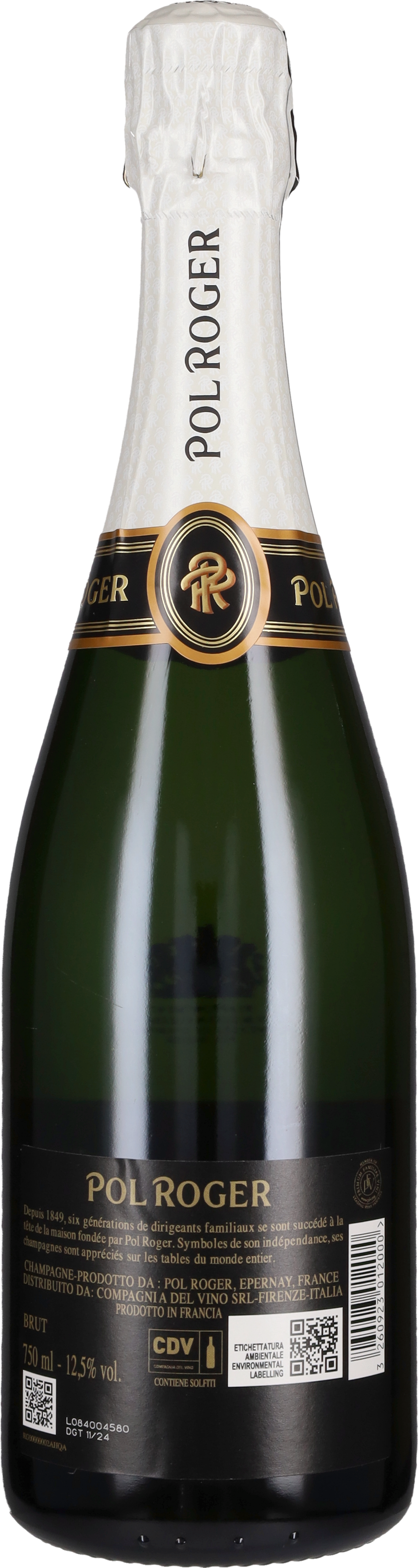
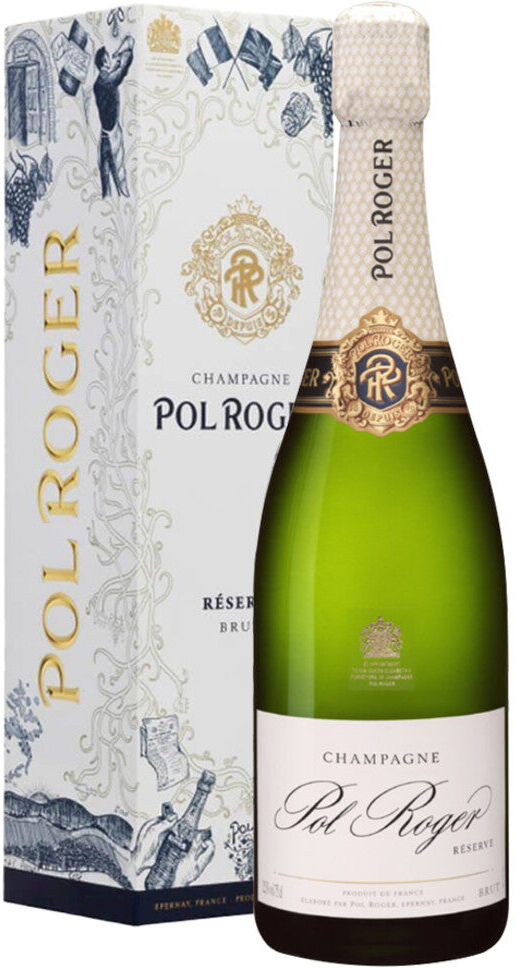
Champagne Brut Reserve Pol RogerPol Roger's Brut Reserve is a true piece of Champagne history, a prestigious icon that has become an absolute model of class and elegance. A more than secular story, that of the well-known French Maison, whose main signature is due to Pol Roger, a family scion who began producing wine in 1849. The winemaking tradition has continued well, from generation to generation, so much so that in 1900, Pol's sons Maurice and Georges founded their own Maison paying tribute to their father, and since then the property has always remained in the hands of the Roger family, a rather rare case in Champagne. A favourite bubbly of Winston Churchill, who praised it on several occasions, Pol Roger is a cult name for every Champagne enthusiast, and ranks at the highest level of the type. The Brut Reserve wine comes from a blend of the three main Champagne grape varieties, namely Pinot Noir, Pinot Meunier and Chardonnay, equally divided. Approximately 88 hectares of vines are located between Epernay, the main centre of the Marne Valley and one of the world's most vocated communes for the production of classic methods, the Cote des Blancs and the Montagne des Reims, which is in turn divided into numerous crus. Approximately 30 of these contribute to the production of Reserve Champagne, which, after the sorting of the grapes and the temperature-controlled fermentation of the base wines, is assembled to create a millimetric and extremely elegant blend. This is followed by the second fermentation in the bottle and the so-called prise de mousse, which precede degorgement and dosage. At least four years of ageing in the cellar precede release. The Brut Reserve shows itself in the glass with an intense golden colour and abundant yet extremely fine mousse. The nose immediately shows richness and generosity, unravelling between exotic hints of mango and passion fruit, as well as white-fleshed fruit including pear. A very variegated picture, which is completed by mouth-watering sweetness and toastiness that can be traced back to acacia honey and small pastries. The tasting reveals a wine where creaminess and finesse go hand in hand, drawing a sip that is always perfectly balanced between fleshyness and saltiness.An absolute must, which cannot be deprived of, not least because of its extraordinary value for money.51,00 £*Shipping: 48,00 £Secure redirect to the provider
-
Champagne Brut Reserve Pol Roger (Packaging)The Champagne Brut Reserve is the most famous champagne of Pol Roger, a symbol of an elegant way of life. All the know-how of Pol Roger and the centuries-old history of the champagne are synthesized in this bottle. The Champagne Brut Reserve Pol Roger come from a cuvéè that is composed by the three tipical varieties of grape in Champagne: the Pinot Noir from the Montagne de Reims brings structure, body and power; the Pinot Meunier from the Vallée de la Marne ensures freshness and fruitiness; the Chardonnay from the best crus of the Côte des Blancs adds finesse and elegance. The Champagne Brut Reserve Pol Roger delivers fruity aromas and hints of honeysuckle, white jasmine and vanilla. In the mouth It reveals a velvety texture, a nice harmonity and a very pleasent freshness. Elegant and refined, the cuvée Brut Réserve is the champagne of all occasions.46,00 £*Shipping: 48,00 £Secure redirect to the provider
-
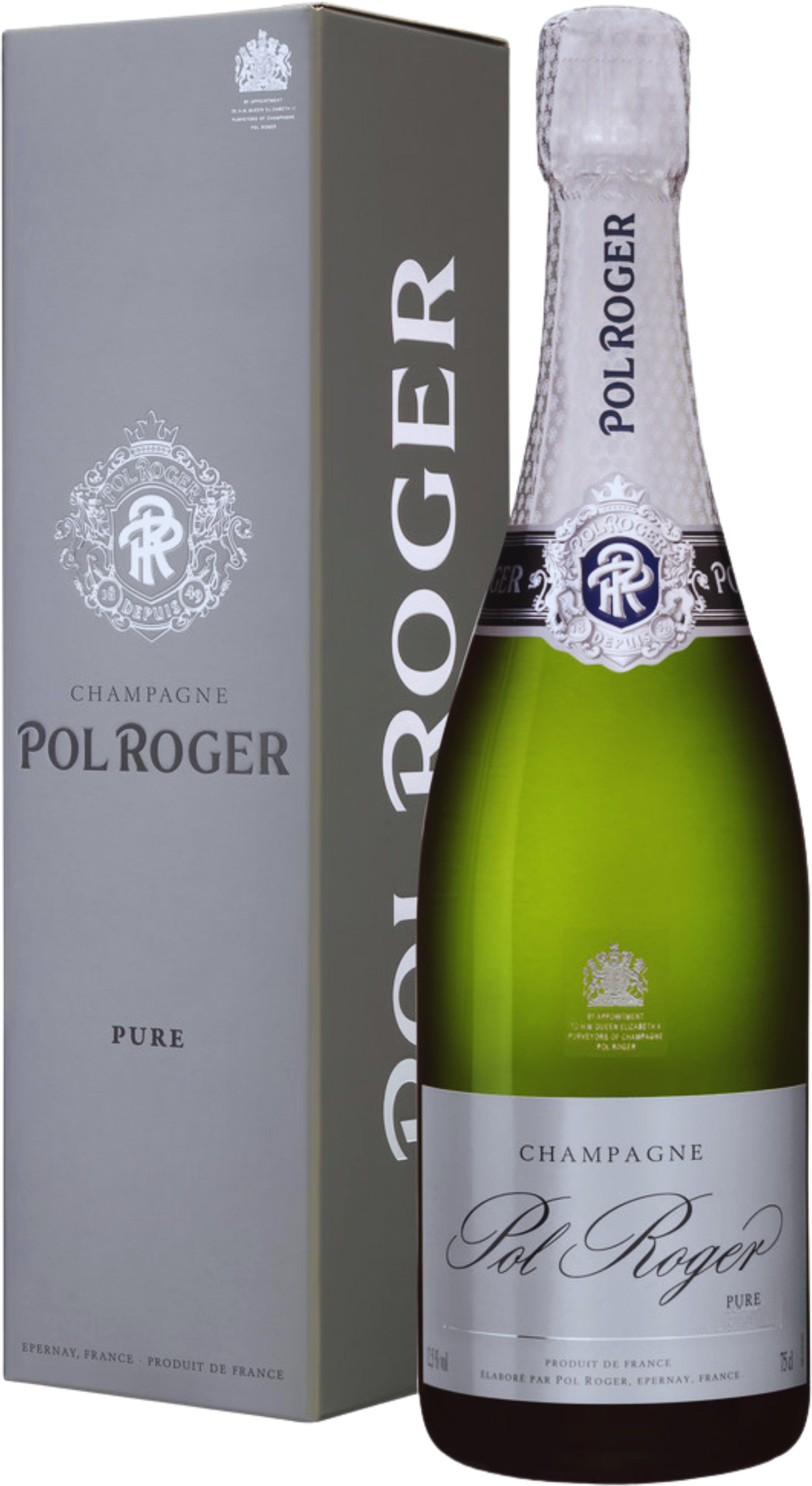
Champagne Brut Nature 'Pure' Pol RogerPol Roger's Champagne Brut Nature "Pure" is the label of the famous Maison in Épernay that expresses a character of refined and essential elegance. It was launched in 2008 to offer enthusiasts a Champagne of extreme purity. It is a cuvée made from the three classic Champagne grape varieties: Pinot Noir, Chardonnay and Meunier, which contribute to creating a blend of great harmony and balance. The rigorous selection of grapes and the long ageing period in the Maison's cellars result in a bottle that combines intensity and expressive complexity with a taut, clear and vertical palate.Pure Pol Roger is a Champagne produced by a historic Maison founded in 1849. For over a century, this brand has been a symbol of elegance and charm, winning over figures such as Winston Churchill and Queen Elizabeth. The Pinot Noir, Chardonnay and Meunier grapes come from 30 different Crus located between the Montagne de Reims, the Vallée de la Marne and the Côte de Blancs. At the end of the harvest, the grapes are gently pressed and fermented separately for each variety in temperature-controlled steel tanks. The vins clairs mature for several months and undergo malolactic fermentation before being blended to create the final cuvée. The second fermentation takes place in the bottle according to the Champenoise method, with ageing of at least 48 months on the lees.The Champagne "Pure" Brut Nature from Maison Pol Roger is a benchmark bottle for all lovers of Champagne with great expressive finesse. It is the result of the desire of one of the most famous Maisons to create a bottle capable of satisfying the taste of connoisseurs who love very low dosages and the finesse of aromas. In the glass, it has a bright golden yellow colour, crossed by a subtle and continuous perlage. The bouquet offers floral notes, fragrant citrus aromas, hints of bread crust and delicate spicy nuances. The palate is vibrant, intense and long, with elegant, subtle aromas and a very fresh, savoury and persistent finish. A label that has now become a classic.65,00 £*Shipping: 48,00 £Secure redirect to the provider
-
What does Cuban cuisine and eating culture look like?
Cuban cuisine is a fusion of Spanish, African, and Caribbean influences, resulting in a diverse and flavorful culinary tradition. Common ingredients include rice, beans, plantains, and various meats such as pork and chicken. Popular dishes include ropa vieja (shredded beef), arroz con pollo (chicken with rice), and lechón asado (roast pork). Eating culture in Cuba is centered around family and community, with meals often being a social and communal experience. It is common for Cubans to share meals with extended family and friends, and food is an important part of social gatherings and celebrations. **
-
What are electricity and high culture history?
Electricity history refers to the development and use of electricity as a form of energy, including the discovery of electricity, the invention of electric devices, and the establishment of electrical systems. High culture history, on the other hand, refers to the history of cultural and artistic achievements that are considered to be of high quality and sophistication, such as classical music, literature, fine arts, and theater. Both electricity and high culture history have evolved over time, shaping the way we live and appreciate the world around us. **
-
What is the difference between low culture and high culture in history?
Low culture refers to the cultural activities and products that are considered to be more common, popular, and easily accessible to the general public. This can include things like popular music, television shows, and mass-produced literature. On the other hand, high culture refers to the cultural activities and products that are considered to be more refined, sophisticated, and often associated with the elite or educated classes. This can include things like classical music, fine art, and literature that is considered to be more intellectually challenging. The distinction between low and high culture has been a source of debate and has evolved over time, but it generally reflects the social and class divisions within a society. **
-
Does anyone know about the Islamic Golden Age in architecture and culture?
Yes, the Islamic Golden Age was a period of great cultural and architectural achievements in the Islamic world, spanning from the 8th to the 14th century. During this time, Islamic scholars made significant advancements in fields such as mathematics, astronomy, medicine, and philosophy. In terms of architecture, the Islamic world produced stunning examples of mosques, palaces, and other structures, characterized by intricate geometric patterns, domes, and arches. This period also saw the development of beautiful decorative arts such as calligraphy, ceramics, and textiles. Overall, the Islamic Golden Age left a lasting legacy in both architecture and culture. **

What are examples of natural landscapes and cultural landscapes?
Examples of natural landscapes include mountains, forests, deserts, beaches, and rivers. These landscapes are shaped by natural processes such as erosion, weathering, and tectonic activity. On the other hand, cultural landscapes are areas that have been influenced or shaped by human activity, such as cities, agricultural lands, parks, and historic sites. These landscapes reflect the interaction between humans and their environment over time. **
What is a question about the history of Romanesque architecture?
How did Romanesque architecture evolve from the earlier Carolingian and Byzantine styles? **
Top-Angebote
Products related to Pol:
-
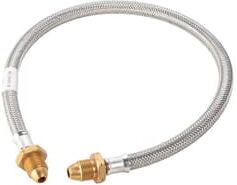
Calor 0.75 (30) POL x POL Armoured Hose PigtailCalor 0.75 (30) POL x POL Armoured Hose Pigtail This 30 POL x POL hose connects two propane cylinders together, typically via a tee piece as part of a twin-cylinder changeover setup, or between a cylinder and a fitting that requires a POL connection at both ends. It's part of the Calor Essentials range and features armoured protection to guard against general wear, sharp objects and vermin damage. Because both ends use a POL fitting rather than a POL-to-regulator connection, this hose is intended for cylinder-to-cylinder or cylinder-to-adaptor use rather than connecting directly to a standard regulator. It carries a 5-year warranty. Key Features & Benefits POL x POL Connection: Connects two cylinders together, typically via a tee piece in a twin-cylinder setup.31,62 £*Shipping: 5,00 £Secure redirect to the provider
-
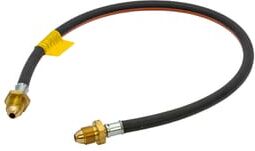
Hamilton Gas Products Ltd 35 Propane Gas Pigtail - ST POL x POLThe 35 Propane Gas Pigtail. This high-pressure black hose is designed to meet the highest standards, marked to EN 16436-1 Class 3, and features robust ST POL x POL fittings. Commonly used to expand exsisting LPG gas cylinder installations. Approved by Calor Gas for use with Propane (LPG). High Pressure Capability: With a working pressure of 30 bar and a burst pressure of 90 bar, this hose is built to handle demanding conditions. Durable Construction: The hose boasts a 6.3 mm internal diameter and a 16.3 mm external diameter, providing strength and durability for long-term use. Quality Assurance: Marked to EN 16436-1 Class 3 standards, ensuring compliance with stringent safety and performance criteria. Easy Identification: Each hose comes wi10,80 £*Shipping: 5,00 £Secure redirect to the provider
-
Champagne Brut Reserve Pol RogerPol Roger's Brut Reserve is a true piece of Champagne history, a prestigious icon that has become an absolute model of class and elegance. A more than secular story, that of the well-known French Maison, whose main signature is due to Pol Roger, a family scion who began producing wine in 1849. The winemaking tradition has continued well, from generation to generation, so much so that in 1900, Pol's sons Maurice and Georges founded their own Maison paying tribute to their father, and since then the property has always remained in the hands of the Roger family, a rather rare case in Champagne. A favourite bubbly of Winston Churchill, who praised it on several occasions, Pol Roger is a cult name for every Champagne enthusiast, and ranks at the highest level of the type. The Brut Reserve wine comes from a blend of the three main Champagne grape varieties, namely Pinot Noir, Pinot Meunier and Chardonnay, equally divided. Approximately 88 hectares of vines are located between Epernay, the main centre of the Marne Valley and one of the world's most vocated communes for the production of classic methods, the Cote des Blancs and the Montagne des Reims, which is in turn divided into numerous crus. Approximately 30 of these contribute to the production of Reserve Champagne, which, after the sorting of the grapes and the temperature-controlled fermentation of the base wines, is assembled to create a millimetric and extremely elegant blend. This is followed by the second fermentation in the bottle and the so-called prise de mousse, which precede degorgement and dosage. At least four years of ageing in the cellar precede release. The Brut Reserve shows itself in the glass with an intense golden colour and abundant yet extremely fine mousse. The nose immediately shows richness and generosity, unravelling between exotic hints of mango and passion fruit, as well as white-fleshed fruit including pear. A very variegated picture, which is completed by mouth-watering sweetness and toastiness that can be traced back to acacia honey and small pastries. The tasting reveals a wine where creaminess and finesse go hand in hand, drawing a sip that is always perfectly balanced between fleshyness and saltiness.An absolute must, which cannot be deprived of, not least because of its extraordinary value for money.51,00 £*Shipping: 48,00 £Secure redirect to the provider
-
Why is Pol Pot called Pol Pot?
Pol Pot's real name was Saloth Sar, but he adopted the alias "Pol Pot" as a revolutionary pseudonym. The origin of the name "Pol Pot" is not entirely clear, but it is believed to have been derived from the French word "politique potentielle," which means "political potential." He used this alias as a way to conceal his true identity and to symbolize his revolutionary aspirations. The name "Pol Pot" became synonymous with the brutal regime he led in Cambodia as the leader of the Khmer Rouge, and it is the name by which he is most commonly known. **
-
Is Karl Marx responsible for the terror of Mao, Stalin, Pol Pot, etc.?
Karl Marx's writings and ideas did influence the ideologies of Mao, Stalin, Pol Pot, and other leaders who implemented authoritarian and oppressive regimes. However, it is important to note that Marx himself did not advocate for the extreme measures and atrocities committed by these leaders. The actions of these leaders were a result of their own interpretations and implementations of Marxist principles, often in ways that deviated significantly from Marx's original ideas. Therefore, while Marx's ideas may have played a role in shaping the ideologies of these leaders, he cannot be solely held responsible for the terror they inflicted. **
-
What does Cuban cuisine and eating culture look like?
Cuban cuisine is a fusion of Spanish, African, and Caribbean influences, resulting in a diverse and flavorful culinary tradition. Common ingredients include rice, beans, plantains, and various meats such as pork and chicken. Popular dishes include ropa vieja (shredded beef), arroz con pollo (chicken with rice), and lechón asado (roast pork). Eating culture in Cuba is centered around family and community, with meals often being a social and communal experience. It is common for Cubans to share meals with extended family and friends, and food is an important part of social gatherings and celebrations. **
-
What are electricity and high culture history?
Electricity history refers to the development and use of electricity as a form of energy, including the discovery of electricity, the invention of electric devices, and the establishment of electrical systems. High culture history, on the other hand, refers to the history of cultural and artistic achievements that are considered to be of high quality and sophistication, such as classical music, literature, fine arts, and theater. Both electricity and high culture history have evolved over time, shaping the way we live and appreciate the world around us. **
Similar search terms for Pol
-
Champagne Brut Reserve Pol Roger (Packaging)The Champagne Brut Reserve is the most famous champagne of Pol Roger, a symbol of an elegant way of life. All the know-how of Pol Roger and the centuries-old history of the champagne are synthesized in this bottle. The Champagne Brut Reserve Pol Roger come from a cuvéè that is composed by the three tipical varieties of grape in Champagne: the Pinot Noir from the Montagne de Reims brings structure, body and power; the Pinot Meunier from the Vallée de la Marne ensures freshness and fruitiness; the Chardonnay from the best crus of the Côte des Blancs adds finesse and elegance. The Champagne Brut Reserve Pol Roger delivers fruity aromas and hints of honeysuckle, white jasmine and vanilla. In the mouth It reveals a velvety texture, a nice harmonity and a very pleasent freshness. Elegant and refined, the cuvée Brut Réserve is the champagne of all occasions.46,00 £*Shipping: 48,00 £Secure redirect to the provider
-
Champagne Brut Nature 'Pure' Pol RogerPol Roger's Champagne Brut Nature "Pure" is the label of the famous Maison in Épernay that expresses a character of refined and essential elegance. It was launched in 2008 to offer enthusiasts a Champagne of extreme purity. It is a cuvée made from the three classic Champagne grape varieties: Pinot Noir, Chardonnay and Meunier, which contribute to creating a blend of great harmony and balance. The rigorous selection of grapes and the long ageing period in the Maison's cellars result in a bottle that combines intensity and expressive complexity with a taut, clear and vertical palate.Pure Pol Roger is a Champagne produced by a historic Maison founded in 1849. For over a century, this brand has been a symbol of elegance and charm, winning over figures such as Winston Churchill and Queen Elizabeth. The Pinot Noir, Chardonnay and Meunier grapes come from 30 different Crus located between the Montagne de Reims, the Vallée de la Marne and the Côte de Blancs. At the end of the harvest, the grapes are gently pressed and fermented separately for each variety in temperature-controlled steel tanks. The vins clairs mature for several months and undergo malolactic fermentation before being blended to create the final cuvée. The second fermentation takes place in the bottle according to the Champenoise method, with ageing of at least 48 months on the lees.The Champagne "Pure" Brut Nature from Maison Pol Roger is a benchmark bottle for all lovers of Champagne with great expressive finesse. It is the result of the desire of one of the most famous Maisons to create a bottle capable of satisfying the taste of connoisseurs who love very low dosages and the finesse of aromas. In the glass, it has a bright golden yellow colour, crossed by a subtle and continuous perlage. The bouquet offers floral notes, fragrant citrus aromas, hints of bread crust and delicate spicy nuances. The palate is vibrant, intense and long, with elegant, subtle aromas and a very fresh, savoury and persistent finish. A label that has now become a classic.65,00 £*Shipping: 48,00 £Secure redirect to the provider
-
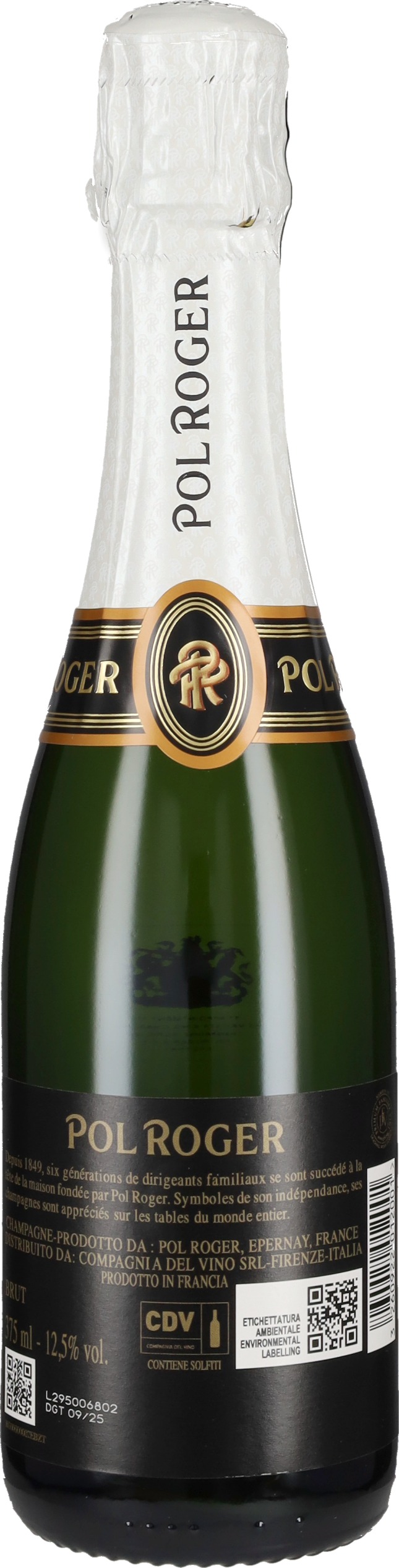
Champagne Brut Reserve Pol Roger - 37.5clwhite flowers, white fruit aromas, quince, and hints of bread crust. On the palate, it has a good body, is rich and complex, supported by a lively mineral freshness.white flowers, white fruit aromas, quince, and hints of bread crust. On the palate, it has a good body, is rich and complex, supported by a lively mineral freshness.white flowers, white fruit aromas, quince, and hints of bread crust. On the palate, it has a good body, is rich and complex, supported by a lively mineral freshness.34,00 £*Shipping: 48,00 £Secure redirect to the provider
-
Champagne Brut Reserve Magnum Pol Roger (confezione)drawing a sip that is always perfectly balanced between fleshiness and saline contribution. An absolute must, which one cannot do without, also due to its extraordinary quality-price ratio.one of the most vocated municipalities in the world for the production of classic methods, the Cote des Blancs and the Montagne des Reims, which is further divided into numerous crus. About 30 of these contribute to the production of the Reserve Champagne, which, after the sorting of the grapes and the controlled temperature fermentation of the base wines, is blended to create a millimetric and elegant fusion. The second fermentation in the bottle and the so-called prise de mousse then take place, which precede disgorgement and dosage. At least four years of aging in the cellar precede its release to the market.creating a sip that is always perfectly balanced between richness and salinity. An absolute must, which one cannot do without, also due to its extraordinary quality-price ratio.131,00 £*Shipping: 48,00 £Secure redirect to the provider
-
What is the difference between low culture and high culture in history?
Low culture refers to the cultural activities and products that are considered to be more common, popular, and easily accessible to the general public. This can include things like popular music, television shows, and mass-produced literature. On the other hand, high culture refers to the cultural activities and products that are considered to be more refined, sophisticated, and often associated with the elite or educated classes. This can include things like classical music, fine art, and literature that is considered to be more intellectually challenging. The distinction between low and high culture has been a source of debate and has evolved over time, but it generally reflects the social and class divisions within a society. **
-
Does anyone know about the Islamic Golden Age in architecture and culture?
Yes, the Islamic Golden Age was a period of great cultural and architectural achievements in the Islamic world, spanning from the 8th to the 14th century. During this time, Islamic scholars made significant advancements in fields such as mathematics, astronomy, medicine, and philosophy. In terms of architecture, the Islamic world produced stunning examples of mosques, palaces, and other structures, characterized by intricate geometric patterns, domes, and arches. This period also saw the development of beautiful decorative arts such as calligraphy, ceramics, and textiles. Overall, the Islamic Golden Age left a lasting legacy in both architecture and culture. **
-
What are examples of natural landscapes and cultural landscapes?
Examples of natural landscapes include mountains, forests, deserts, beaches, and rivers. These landscapes are shaped by natural processes such as erosion, weathering, and tectonic activity. On the other hand, cultural landscapes are areas that have been influenced or shaped by human activity, such as cities, agricultural lands, parks, and historic sites. These landscapes reflect the interaction between humans and their environment over time. **
-
What is a question about the history of Romanesque architecture?
How did Romanesque architecture evolve from the earlier Carolingian and Byzantine styles? **
* All prices are inclusive of VAT and, if applicable, plus shipping costs. The offer information is based on the details provided by the respective shop and is updated through automated processes. Real-time updates do not occur, so deviations can occur in individual cases. ** Note: Parts of this content were created by AI.