Buy europesname.eu ?
We are moving the project
europesname.eu .
Are you interested in purchasing the domain
europesname.eu ?
domain@kv-gmbh.de · 0541-91531010
Buy europesname.eu ?
What is the Socratic question?
The Socratic question is a method of philosophical inquiry attributed to the ancient Greek philosopher Socrates. It involves asking probing questions to stimulate critical thinking, challenge assumptions, and uncover underlying beliefs or knowledge. The goal of the Socratic question is to encourage self-examination and deeper understanding of a topic or issue through a process of dialogue and inquiry. **
What is a Socratic dialogue?
A Socratic dialogue is a method of philosophical inquiry developed by the ancient Greek philosopher Socrates. It involves a conversation between two or more individuals, typically with Socrates as the main interlocutor, in which they engage in a series of questions and answers to explore and clarify their understanding of a particular topic or concept. The dialogue is aimed at uncovering underlying assumptions, challenging beliefs, and arriving at a deeper understanding of the subject matter through critical thinking and self-examination. Socratic dialogues are characterized by their open-ended and exploratory nature, as well as their emphasis on the pursuit of truth and wisdom through rational inquiry. **

Similar search terms for Socratic
Top-Angebote
Products related to Socratic:
-
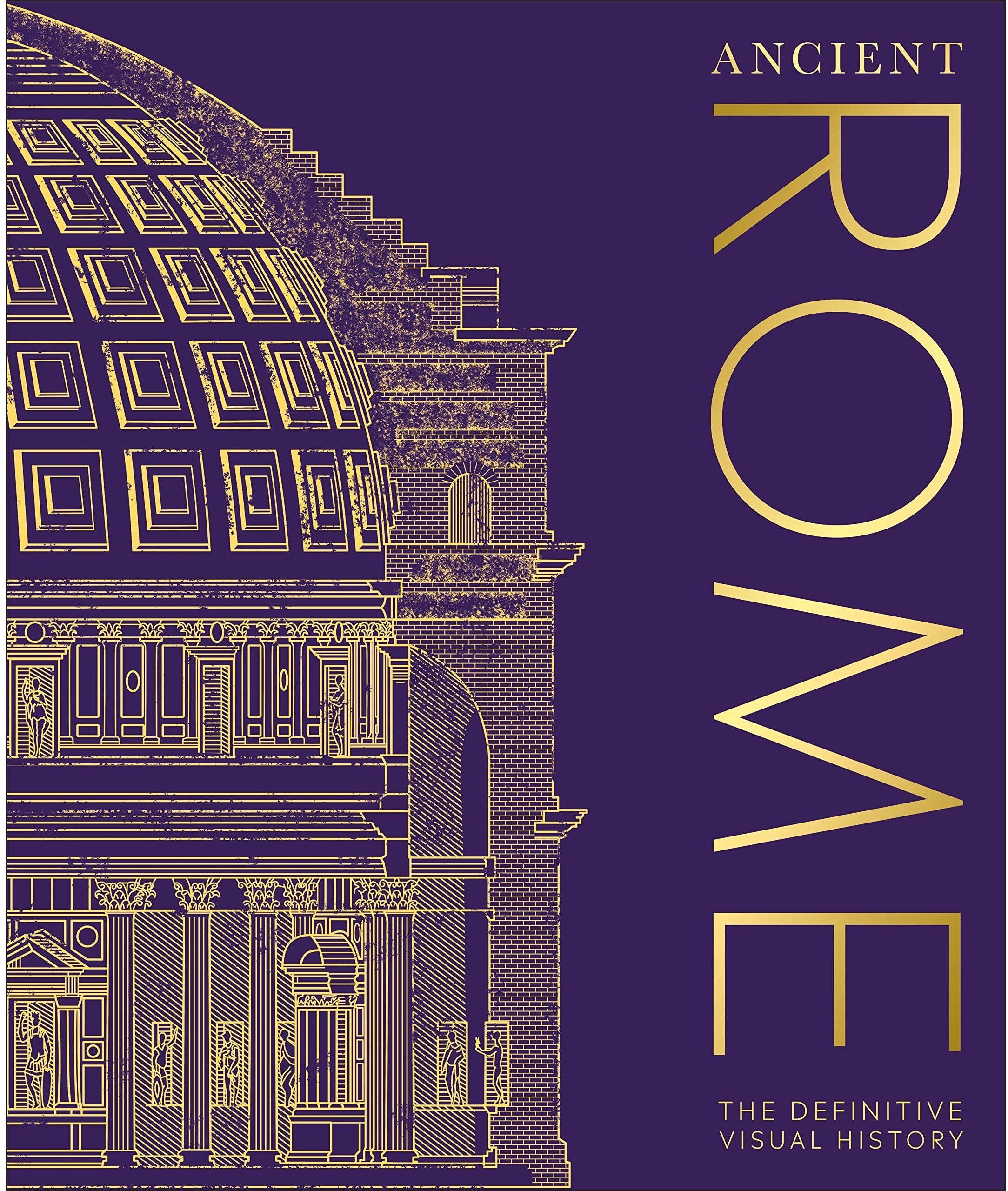
Ancient Rome: The Definitive Visual History (DK Classic History)Immerse yourself in the history of ancient Rome - from its origins as a small settlement on the Palatine Hill to its peak as an empire reigning over 90 million people, and its tumultuous decline. Covering more than 1,000 years of history, and an empire that stretched from Scotland to Syria, Ancient Rome reveals in vivid detail all of the key political, cultural, and military events that shaped the Roman Empire and explores what it was like to live in a society that laid the foundations for many aspects of the modern world. Sumptuous photography and engaging text cover every facet of life in ancient Rome, from art, entertainment, and fashion to engineering, medicine, and war, while detailed maps trace the rise of the mighty Roman Empire. Step back in time in the pages of this history book to discover:- Themed spreads explore developments in areas such as sculpture, religion, warfare, and engineering. - Includes tales of the most dramatic events and battles in Roman history, as well as profiles of influential historical and cultural figures. - An optional 80pp reference section includes sections on rulers, gods and goddesses, and key sites. Featuring Rome's greatest emperors, from Augustus to Constantine, as well as profiles of generals, historians, and influential women, Ancient Rome also delves into the fascinating stories of gladiators, bakers, and enslaved people. The most iconic buildings of Rome are brought to life with specially commissioned CGI recreations, while the stories of ordinary citizens, soldiers, and persecuted groups from across the empire are told with the help of illustrations, artefacts, and eyewitness accounts. Beautifully illustrated and unparalleled in scope, Ancient Rome is the perfect book for anyone who is interested in this defining period of world history.19,95 £*Shipping: 2,99 £Secure redirect to the provider
-
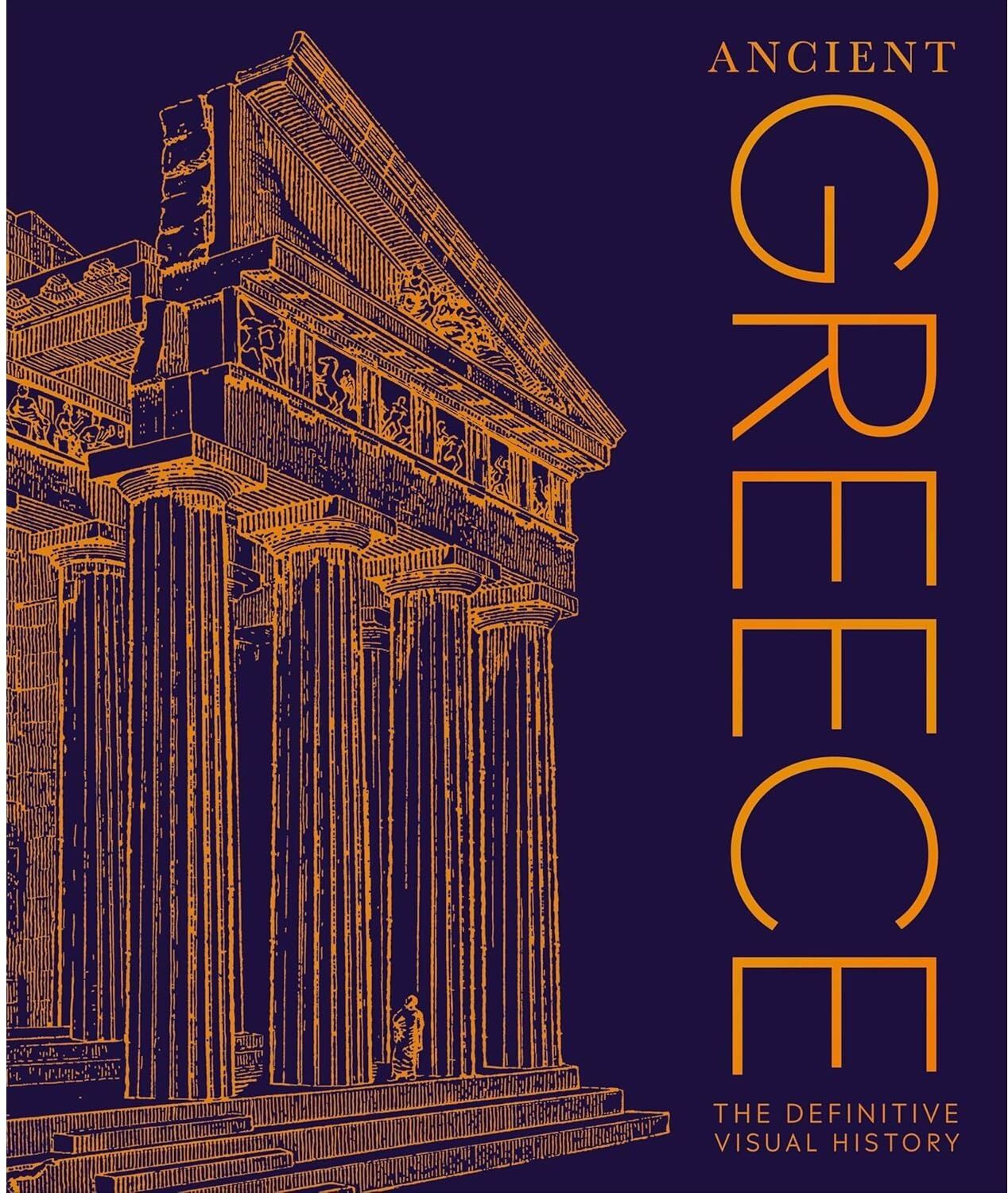
Ancient Greece: The Definitive Visual History (DK Classic History)Embark upon a fascinating journey through ancient Greece – from its rise and fall to its lasting legacy throughout the Western world. Spanning more than 3,000 years, Ancient Greece explores the tumultuous history of this glorious empire in vivid detail – from its Minoan and Mycenaean origins to the apogee of the warring city-states of Athens and Sparta, and from the death of its most charismatic leader, Alexander the Great, to its ultimate defeat by Rome. Sumptuous photography and authoritative, engaging text cover every facet of life in ancient Greece, from art, entertainment, and schools of thought to politics, medicine, and war, while the myths and religious beliefs of the ancient culture are explored and explained in depth. Greece’s military and political power shines through in fascinating maps of its legendary battles. Buried palaces and the Athenian Agora where Plato and Socrates discussed philosophy are brought back to life with stunning CGI artworks. And the stories of everyone from ordinary citizens to lawmakers and the first Olympic athletes are retold through eyewitness accounts and original artefacts.19,99 £*Shipping: 2,99 £Secure redirect to the provider
-
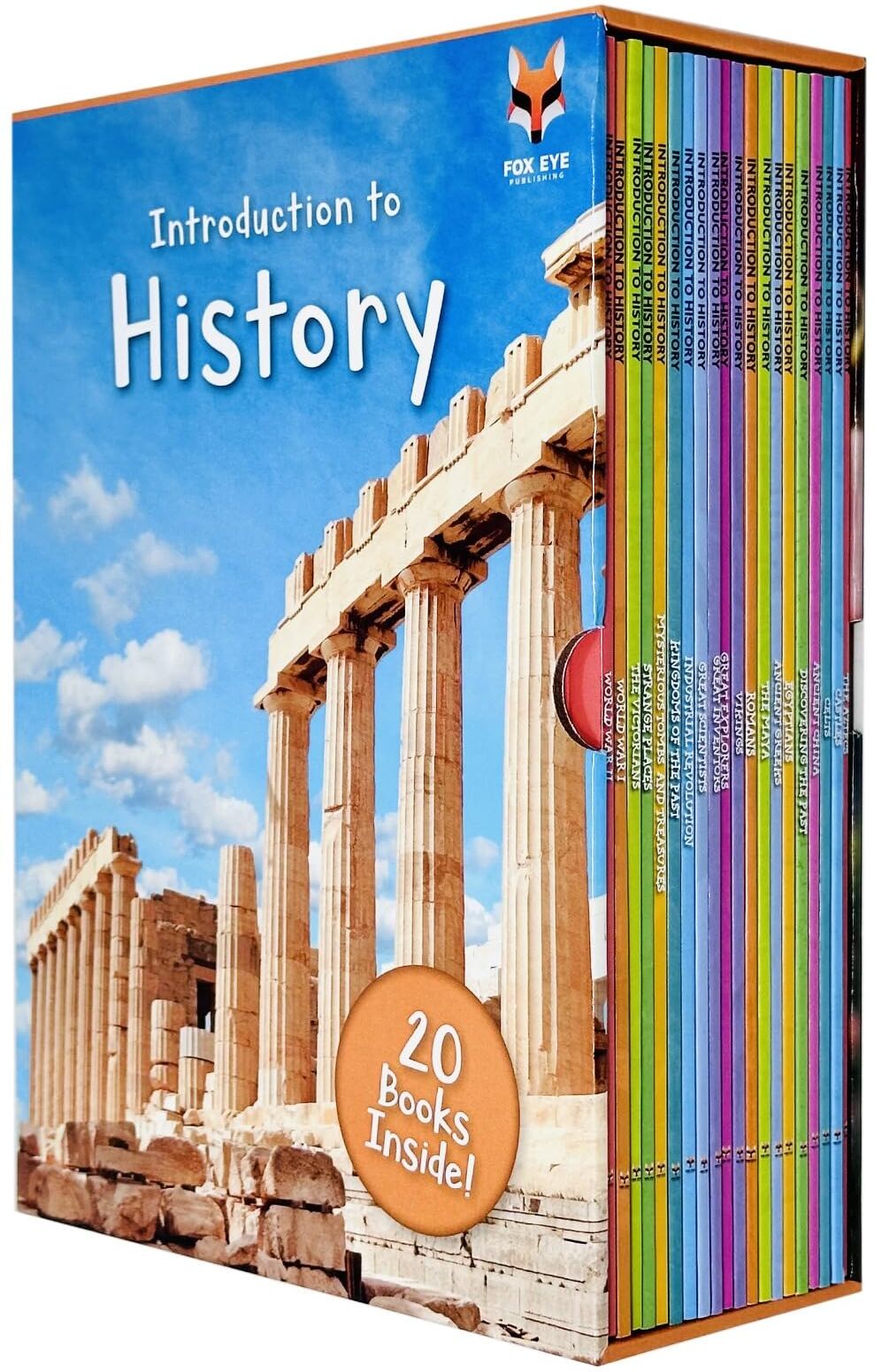
Fox Eye Publishing Introduction to History 20 Books Collection Box Set – Educational History Learning CollectionIntroduction to History 20 Books Collection Box Set (The Aztecs, Castles, Celts, Ancient China, Discovering the Past, Egyptians, Ancient Greeks, The Maya, Romans, Vikings, Great Explorers and More) Books in This Collection: Introduction to The Aztecs Introduction to Castles Introduction to Celts Introduction to Ancient China Introduction to Discovering the Past Introduction to Egyptians Introduction to Ancient Greeks Introduction to The Maya Introduction to Romans Introduction to Vikings Introduction to Great Explorers Introduction to Great Inventors Introduction to Great Scientists Introduction to Industrial Revolution Introduction to Kingdoms of the Past Introduction to Mysterious Tombs and Treasures Introduction to Strange Places Introduction to The Victorians Introduction to World War I Introduction to World War II12,99 £*Shipping: 2,99 £Secure redirect to the provider
-
What is the Socratic turn? Please help.
The Socratic turn refers to the shift in philosophical inquiry initiated by the ancient Greek philosopher Socrates. This shift involved a move away from seeking absolute truths and instead focused on questioning and examining beliefs and assumptions. Socrates' method of inquiry, known as the Socratic method, involved engaging in dialogue with others to uncover contradictions and inconsistencies in their beliefs, ultimately leading to a deeper understanding of the subject at hand. The Socratic turn has had a lasting impact on philosophy and continues to influence critical thinking and intellectual inquiry. **
-
What is the Socratic method of elenchus?
The Socratic method of elenchus is a form of cooperative argumentative dialogue between individuals, based on asking and answering questions to stimulate critical thinking and to draw out ideas and underlying presumptions. It is named after the classical Greek philosopher Socrates, who used this method to help others discover their own beliefs and understand the flaws in their reasoning. Through a series of probing questions, the Socratic method aims to uncover contradictions and inconsistencies in one's beliefs, leading to a deeper understanding and potential revision of those beliefs. **
-
Can you provide an explanation of Socratic reasoning?
Socratic reasoning, also known as the Socratic method, is a form of cooperative argumentative dialogue between individuals, based on asking and answering questions to stimulate critical thinking and illuminate ideas. It involves a series of questions and answers that help uncover underlying assumptions, challenge beliefs, and arrive at a deeper understanding of a topic. Socratic reasoning aims to promote self-discovery and intellectual growth by encouraging individuals to examine their own thoughts and beliefs through a process of inquiry and discussion. This method is often used in educational settings to foster active learning and develop analytical skills. **
-
Is the Socratic dialogue a non-coercive dialogue?
Yes, the Socratic dialogue is a non-coercive dialogue. Socrates believed in the power of rational discussion and persuasion, rather than force or coercion, to arrive at truth and understanding. In the Socratic method, participants engage in open and respectful dialogue, questioning and challenging each other's ideas in a collaborative pursuit of knowledge. This approach emphasizes the importance of free inquiry and critical thinking, making it a non-coercive form of dialogue. **


What are the steps of the Socratic method?
The Socratic method involves a series of steps to stimulate critical thinking and uncover underlying assumptions. The first step is to ask a question related to a specific topic. Then, the respondent provides an initial answer. Next, the questioner probes further with more questions to challenge the respondent's assumptions and encourage deeper reflection. This process continues until a more refined understanding or conclusion is reached. **
Can you please help me create a Socratic dialogue?
Of course! To create a Socratic dialogue, you can start by choosing a topic or question that you want to explore. Then, create two characters who have different perspectives on the topic - one who represents your own views and another who challenges them. The dialogue should involve a series of questions and answers that lead to a deeper understanding of the topic. Remember to keep the conversation focused, logical, and open-ended to encourage critical thinking and exploration of ideas. **
Top-Angebote
Products related to Socratic:
-
From the Archives: Black History and Culture Value PackThis brand-new series is rooted in a profound commitment to shedding light on some of the important -- and often lesser-known -- aspects of Black history. From the Archives features landmarks, events, people, and artistic endeavors that have played...26,99 $*Shipping: 0,00 $Secure redirect to the provider
-
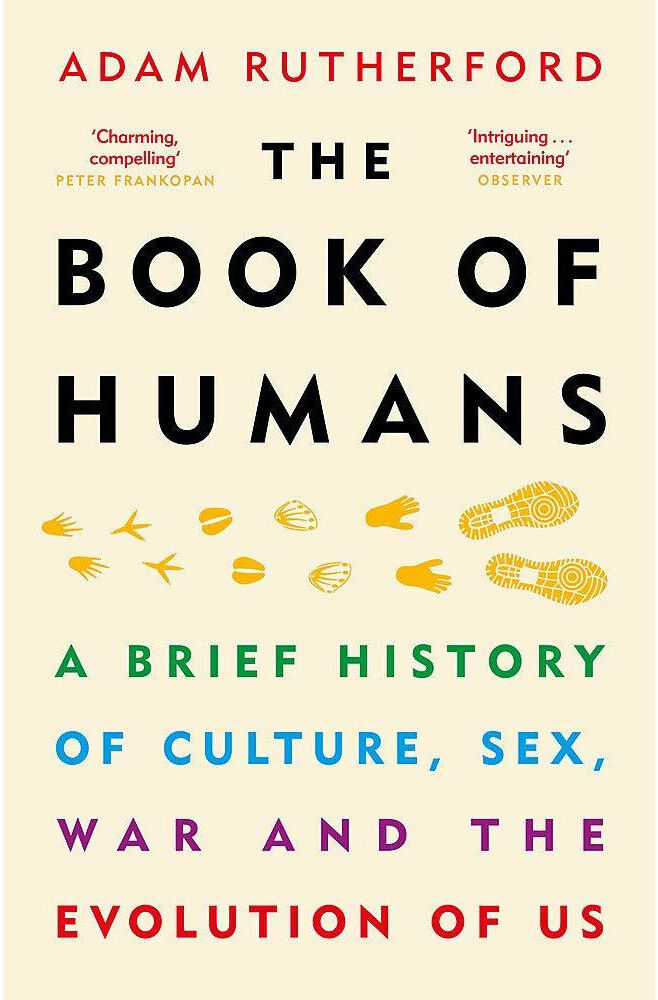
Orion The Book of Humans by Adam Rutherford – A Brief History of Culture, Sex, War & EvolutionWHAT MAKES US HUMAN? Waging war? Sex for pleasure? Creating art? Mastery of fire? In this thrilling tour of the animal kingdom, Adam Rutherford tells the story of how we became the unique creatures we are today. Illuminated by the latest scientific discoveries, THE BOOK OF HUMANS is a dazzling compendium of what unequivocally fixes us as animals, and reveals how we are extraordinary among them.4,98 £*Shipping: 1,99 £Secure redirect to the provider
-
Ancient Rome: The Definitive Visual History (DK Classic History)Immerse yourself in the history of ancient Rome - from its origins as a small settlement on the Palatine Hill to its peak as an empire reigning over 90 million people, and its tumultuous decline. Covering more than 1,000 years of history, and an empire that stretched from Scotland to Syria, Ancient Rome reveals in vivid detail all of the key political, cultural, and military events that shaped the Roman Empire and explores what it was like to live in a society that laid the foundations for many aspects of the modern world. Sumptuous photography and engaging text cover every facet of life in ancient Rome, from art, entertainment, and fashion to engineering, medicine, and war, while detailed maps trace the rise of the mighty Roman Empire. Step back in time in the pages of this history book to discover:- Themed spreads explore developments in areas such as sculpture, religion, warfare, and engineering. - Includes tales of the most dramatic events and battles in Roman history, as well as profiles of influential historical and cultural figures. - An optional 80pp reference section includes sections on rulers, gods and goddesses, and key sites. Featuring Rome's greatest emperors, from Augustus to Constantine, as well as profiles of generals, historians, and influential women, Ancient Rome also delves into the fascinating stories of gladiators, bakers, and enslaved people. The most iconic buildings of Rome are brought to life with specially commissioned CGI recreations, while the stories of ordinary citizens, soldiers, and persecuted groups from across the empire are told with the help of illustrations, artefacts, and eyewitness accounts. Beautifully illustrated and unparalleled in scope, Ancient Rome is the perfect book for anyone who is interested in this defining period of world history.19,95 £*Shipping: 2,99 £Secure redirect to the provider
-
Ancient Greece: The Definitive Visual History (DK Classic History)Embark upon a fascinating journey through ancient Greece – from its rise and fall to its lasting legacy throughout the Western world. Spanning more than 3,000 years, Ancient Greece explores the tumultuous history of this glorious empire in vivid detail – from its Minoan and Mycenaean origins to the apogee of the warring city-states of Athens and Sparta, and from the death of its most charismatic leader, Alexander the Great, to its ultimate defeat by Rome. Sumptuous photography and authoritative, engaging text cover every facet of life in ancient Greece, from art, entertainment, and schools of thought to politics, medicine, and war, while the myths and religious beliefs of the ancient culture are explored and explained in depth. Greece’s military and political power shines through in fascinating maps of its legendary battles. Buried palaces and the Athenian Agora where Plato and Socrates discussed philosophy are brought back to life with stunning CGI artworks. And the stories of everyone from ordinary citizens to lawmakers and the first Olympic athletes are retold through eyewitness accounts and original artefacts.19,99 £*Shipping: 2,99 £Secure redirect to the provider
-
What is the Socratic question?
The Socratic question is a method of philosophical inquiry attributed to the ancient Greek philosopher Socrates. It involves asking probing questions to stimulate critical thinking, challenge assumptions, and uncover underlying beliefs or knowledge. The goal of the Socratic question is to encourage self-examination and deeper understanding of a topic or issue through a process of dialogue and inquiry. **
-
What is a Socratic dialogue?
A Socratic dialogue is a method of philosophical inquiry developed by the ancient Greek philosopher Socrates. It involves a conversation between two or more individuals, typically with Socrates as the main interlocutor, in which they engage in a series of questions and answers to explore and clarify their understanding of a particular topic or concept. The dialogue is aimed at uncovering underlying assumptions, challenging beliefs, and arriving at a deeper understanding of the subject matter through critical thinking and self-examination. Socratic dialogues are characterized by their open-ended and exploratory nature, as well as their emphasis on the pursuit of truth and wisdom through rational inquiry. **
-
What is the Socratic turn? Please help.
The Socratic turn refers to the shift in philosophical inquiry initiated by the ancient Greek philosopher Socrates. This shift involved a move away from seeking absolute truths and instead focused on questioning and examining beliefs and assumptions. Socrates' method of inquiry, known as the Socratic method, involved engaging in dialogue with others to uncover contradictions and inconsistencies in their beliefs, ultimately leading to a deeper understanding of the subject at hand. The Socratic turn has had a lasting impact on philosophy and continues to influence critical thinking and intellectual inquiry. **
-
What is the Socratic method of elenchus?
The Socratic method of elenchus is a form of cooperative argumentative dialogue between individuals, based on asking and answering questions to stimulate critical thinking and to draw out ideas and underlying presumptions. It is named after the classical Greek philosopher Socrates, who used this method to help others discover their own beliefs and understand the flaws in their reasoning. Through a series of probing questions, the Socratic method aims to uncover contradictions and inconsistencies in one's beliefs, leading to a deeper understanding and potential revision of those beliefs. **
Similar search terms for Socratic
-
Fox Eye Publishing Introduction to History 20 Books Collection Box Set – Educational History Learning CollectionIntroduction to History 20 Books Collection Box Set (The Aztecs, Castles, Celts, Ancient China, Discovering the Past, Egyptians, Ancient Greeks, The Maya, Romans, Vikings, Great Explorers and More) Books in This Collection: Introduction to The Aztecs Introduction to Castles Introduction to Celts Introduction to Ancient China Introduction to Discovering the Past Introduction to Egyptians Introduction to Ancient Greeks Introduction to The Maya Introduction to Romans Introduction to Vikings Introduction to Great Explorers Introduction to Great Inventors Introduction to Great Scientists Introduction to Industrial Revolution Introduction to Kingdoms of the Past Introduction to Mysterious Tombs and Treasures Introduction to Strange Places Introduction to The Victorians Introduction to World War I Introduction to World War II12,99 £*Shipping: 2,99 £Secure redirect to the provider
-
Uplifted Goods Optical Precision Pet Claw Architecture Optical Precision Pet Claw ArchitectureEnhance your pet grooming safety with the Optical Precision Pet Claw Architecture. This professional grade grooming solution is engineered with a specialized LED Illumination System designed to provide a definitive view of the delicate internal vein...39,97 $*Shipping: 0,00 $Secure redirect to the provider
-
Can you provide an explanation of Socratic reasoning?
Socratic reasoning, also known as the Socratic method, is a form of cooperative argumentative dialogue between individuals, based on asking and answering questions to stimulate critical thinking and illuminate ideas. It involves a series of questions and answers that help uncover underlying assumptions, challenge beliefs, and arrive at a deeper understanding of a topic. Socratic reasoning aims to promote self-discovery and intellectual growth by encouraging individuals to examine their own thoughts and beliefs through a process of inquiry and discussion. This method is often used in educational settings to foster active learning and develop analytical skills. **
-
Is the Socratic dialogue a non-coercive dialogue?
Yes, the Socratic dialogue is a non-coercive dialogue. Socrates believed in the power of rational discussion and persuasion, rather than force or coercion, to arrive at truth and understanding. In the Socratic method, participants engage in open and respectful dialogue, questioning and challenging each other's ideas in a collaborative pursuit of knowledge. This approach emphasizes the importance of free inquiry and critical thinking, making it a non-coercive form of dialogue. **
-
What are the steps of the Socratic method?
The Socratic method involves a series of steps to stimulate critical thinking and uncover underlying assumptions. The first step is to ask a question related to a specific topic. Then, the respondent provides an initial answer. Next, the questioner probes further with more questions to challenge the respondent's assumptions and encourage deeper reflection. This process continues until a more refined understanding or conclusion is reached. **
-
Can you please help me create a Socratic dialogue?
Of course! To create a Socratic dialogue, you can start by choosing a topic or question that you want to explore. Then, create two characters who have different perspectives on the topic - one who represents your own views and another who challenges them. The dialogue should involve a series of questions and answers that lead to a deeper understanding of the topic. Remember to keep the conversation focused, logical, and open-ended to encourage critical thinking and exploration of ideas. **
* All prices are inclusive of VAT and, if applicable, plus shipping costs. The offer information is based on the details provided by the respective shop and is updated through automated processes. Real-time updates do not occur, so deviations can occur in individual cases. ** Note: Parts of this content were created by AI.